
Culinary Experiences in Morocco: Supporting Local Gastronomic Traditions
Moroccan cuisine is a window into the soul of the country, where each dish reflects centuries of history, cultural coexistence, and traditional identity. Exploring culinary experiences in Morocco means more than just tasting exquisite flavors; it means immersing yourself in family customs, authentic markets, and gastronomic rituals that are part of everyday life.
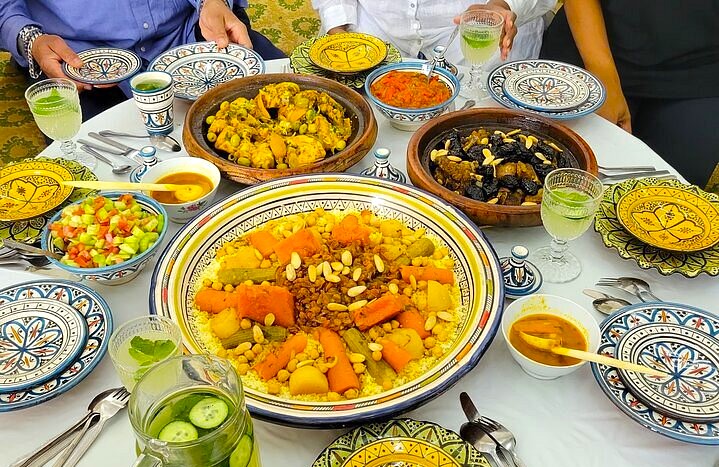
From couscous shared at weekly gatherings to aromatic tagine slowly cooked in clay pots, Moroccan cuisine is recognized worldwide as one of the richest and most varied, with roots that combine Arab, Amazigh, Andalusian, and African heritage, as explained in Moroccan cuisine. These traditional flavors are celebrated in rural homes, souks, and villages where recipes are passed down from generation to generation.
Supporting local cuisine goes beyond tasting. It means valuing the families who grow their own ingredients, the artisans who bake bread in community ovens, and the rural producers who work sustainably. Preserving these culinary practices is part of protecting intangible cultural heritage, a global commitment to keeping alive the traditions that give a community its identity.
In this article, you will discover how to savor Morocco in an authentic and responsible way, supporting those who keep the gastronomic culture alive and creating memorable experiences that respect the essence of the country.
How to Enjoy Authentic Culinary Experiences in Morocco
Participating in authentic culinary experiences in Morocco is much more than just tasting dishes; it involves immersing yourself in the daily life of local communities and discovering how gastronomy reflects their culture, history, and natural environment. In rural villages and traditional markets, travelers can learn how to prepare tagines, couscous, or pastries directly with families who preserve ancestral recipes, promoting the transmission of traditional culinary knowledge and techniques.
Visiting local markets is also an essential part of the gastronomic journey. These spaces not only offer fresh produce and unique spices, but also allow you to directly support farmers and vendors who work sustainably. Buying ingredients directly from markets helps sustain the rural economy and strengthens the connection between travelers and the community. For those who want to learn more about the products and their origins, there are specialized workshops that teach about argan oil cultivation or traditional Moroccan bread making, integrating cultural and practical knowledge.
In addition, many of these workshops and gastronomic experiences are designed according to responsible tourism principles, ensuring that the income benefits local families and cooperatives. By choosing these activities, travelers contribute to the preservation of culinary traditions and sustainable economic development, while enjoying authentic meals and shared moments that enrich the cultural experience.
Benefits of Responsible Gastronomic Tourism in Morocco
Participating in authentic culinary experiences in Morocco in a responsible manner offers significant advantages for both travelers and local communities. For visitors, these activities are not limited to tasting flavors, but allow for complete cultural immersion, understanding rural life, family traditions, and the history behind each dish. Learning how to prepare tagines, couscous, or pastries with local families allows you to discover culinary techniques and rituals passed down through generations, turning your trip into an educational and enriching experience. More information about the richness of Moroccan cuisine can be found here.
For communities, responsible gastronomic tourism is a source of sustainable income. Choosing workshops, family homes, or local cooperatives ensures that the money directly benefits producers, cooks, and farmers who keep culinary traditions alive. Many of these practices are part of intangible cultural heritage, recognized and promoted internationally by UNESCO as essential for preserving cultural identity.
Furthermore, this type of tourism promotes environmental sustainability. Buying local and seasonal products, respecting traditional farming methods, and reducing the use of processed foods helps conserve natural resources and rural ecosystems, ensuring that these culinary practices can continue for future generations.
Overall, responsible food tourism allows travelers to enjoy authentic experiences, supports local communities, and contributes to the preservation of Morocco’s cultural and natural heritage.
Marchés et produits locaux : au cœur de la cuisine marocaine
An essential part of any culinary experience in Morocco is visiting the local markets, known as souks, which are true centers of community life. There, travelers can find aromatic spices, fresh herbs, traditional oils, legumes, and sustainably grown products, many of them produced by small family cooperatives. These markets are not only places to buy ingredients, but also represent a direct encounter with rural culture and economy.
Supporting local producers has a significant impact. Buying products directly from farmers or cooperatives boosts the rural economy and ensures that the benefits of tourism reach those who preserve culinary traditions. For example, argan oil, renowned for its unique properties and cultural significance, comes from cooperatives run mainly by women, who use traditional harvesting and production methods, as highlighted in the information on argan oil.
Markets are also places of learning: travelers can discover how to select fresh ingredients, learn about the origins of spices, and observe preparation techniques passed down from generation to generation. In addition, these encounters allow for the sharing of stories, customs, and recipes, strengthening the connection between visitors and local communities.
Visiting and shopping at local markets, respecting their rules and practices, is a way to travel responsibly, supporting both the preservation of gastronomic culture and the economic sustainability of rural communities.
Enjoy Moroccan cuisine responsibly
Exploring Moroccan cuisine is much more than a culinary experience: it is a way to learn about the culture, history, and traditions of local communities. By participating in workshops, tastings, and visits to rural markets, travelers not only enjoy authentic flavors, but also contribute to the preservation of intangible cultural heritage and the sustainable economic development of the families who keep these traditions alive, as explained by UNESCO.
Supporting local cuisine strengthens the rural economy and ensures that ancestral recipes and techniques continue to be passed down to future generations. Every dish shared and every experience enjoyed becomes an act of respect for Morocco’s culture and environment. For those seeking to enjoy these authentic experiences firsthand, it is possible to organize personalized trips that include cooking workshops, market visits, and accommodation in local communities through Circuitos Exclusivos.
In this way, enjoying Moroccan cuisine becomes an authentic, educational, and responsible experience, where flavors and culture intertwine in harmony.
Discover Morocco through its authentic cuisine.
Every dish tells a story, and every culinary experience supports local families and communities that preserve ancestral traditions.
Join responsible tourism and enjoy Morocco’s most authentic culinary experiences. Book your gastronomic adventure today.

