
Family-run rural houses in Morocco: authentic cultural experiences
Traveling in Morocco is much more than visiting cities and monuments; it is an opportunity to immerse yourself in the rural and cultural life of the country. One of the most authentic ways to do this is to stay in rural family homes, known as riads or guesthouses, run by local families. These experiences allow you to discover Moroccan daily life, traditions, and hospitality up close.
By staying in family homes, travelers can participate in activities such as preparing traditional dishes, craft workshops, or even gardening and animal husbandry in rural areas. This not only provides an in-depth insight into local life, but also ensures that the benefits of tourism directly benefit the families and communities that preserve these traditions.
In this article, we will discover how family-run rural guesthouses in Morocco offer authentic cultural experiences, how to choose the right stay for you, and how travelers can enjoy responsible tourism while immersing themselves in local life.
What are family-run rural guesthouses and their cultural significance?
Family-run rural houses in Morocco are accommodations managed by local families that allow travelers to experience everyday life in an authentic way. Unlike conventional hotels, these houses offer an intimate and personalized atmosphere, where hospitality and cultural interaction are at the heart of the experience.
These accommodations are mainly located in rural areas, villages, and oases, such as in the Atlas Mountains, the Draa Valley, or the surroundings of Merzouga. Staying in these houses allows visitors to observe and participate in the daily activities of the community, from preparing traditional meals to participating in local craft workshops.
The cultural value of these homes goes beyond the tourist experience. By staying in them, travelers contribute directly to the local economy, supporting families who depend on tourism to maintain their homes and preserve their traditions. In addition, these stays promote responsible tourism, fostering a positive impact on the community and ensuring that cultural practices continue to be passed down from generation to generation.
Living in a family-run rural house allows for a real immersion in Moroccan culture, offering authentic memories and the opportunity to create meaningful connections with local inhabitants.
Introduction to Family-Run Rural Houses in Morocco
Staying in a family-run rural house in Morocco is much more than just accommodation; it is a gateway to the country’s daily life and traditions. These houses offer an authentic experience where travelers can connect with local communities, learn about their cuisine, crafts, and customs, and participate in activities that reflect centuries of history and culture. From preparing traditional dishes to exploring markets and craft workshops, each stay becomes a unique immersion that combines learning, coexistence, and sustainable tourism. Before planning your trip, discover the most outstanding experiences these family-run rural houses have to offer.
Staying in Family-Run Rural Houses in Morocco
Staying in family-run rural guesthouses in Morocco offers much more than just a place to sleep: it is an opportunity to immerse yourself in the daily life and traditions of local communities. These accommodations, located in villages in the Atlas Mountains or in oases such as the Draa Valley, allow travelers to experience authentic and sustainable tourism, directly contributing to the well-being of the host families.
Traditional Cooking Workshops
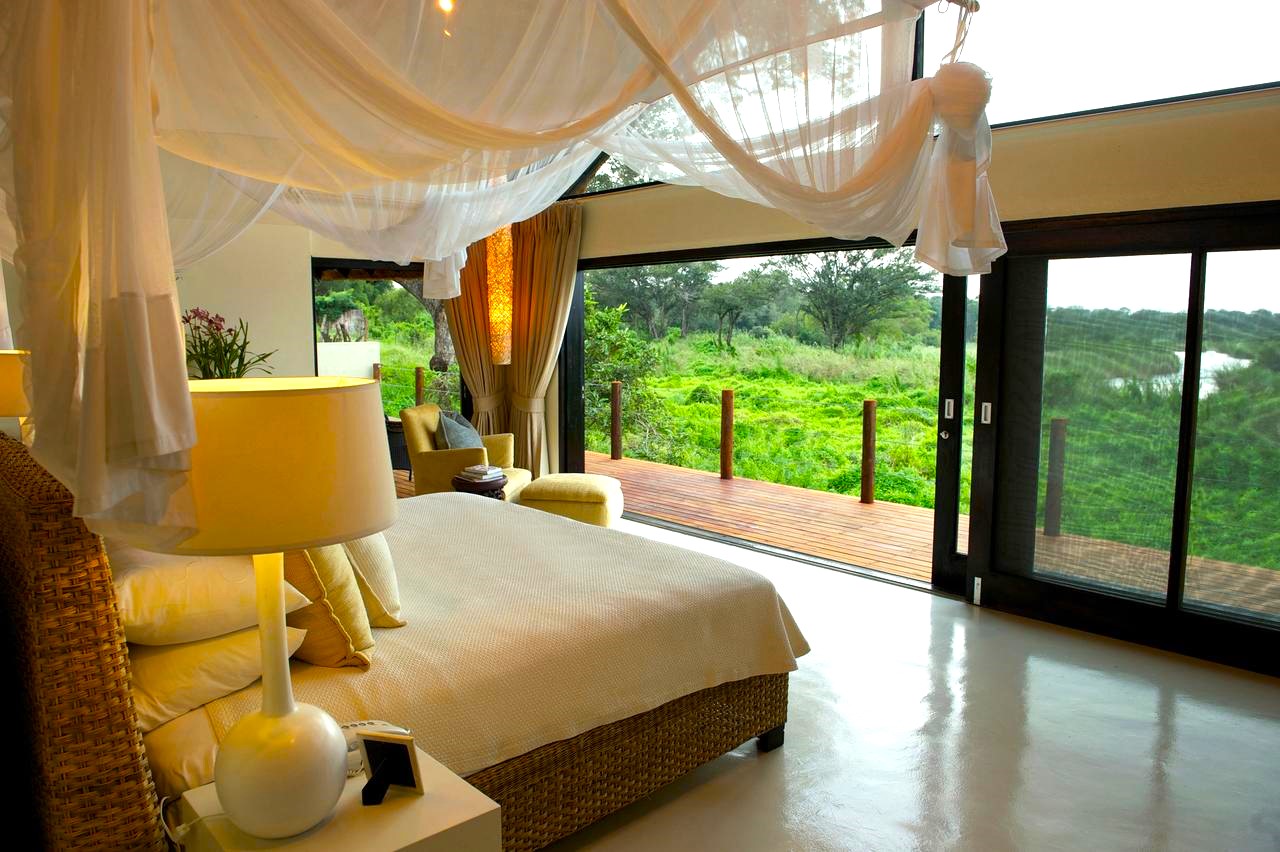
One of the most appreciated experiences in Morocco’s family-run rural guesthouses is participating in the preparation of traditional dishes such as tagine, couscous, or pastilla. Cooking alongside the hosts allows guests to learn ancestral techniques, discover the use of local spices, and understand the importance of gastronomy in everyday life. This activity not only enriches visitors, but also strengthens cultural transmission and generates additional income for families.
Local Craft Workshops
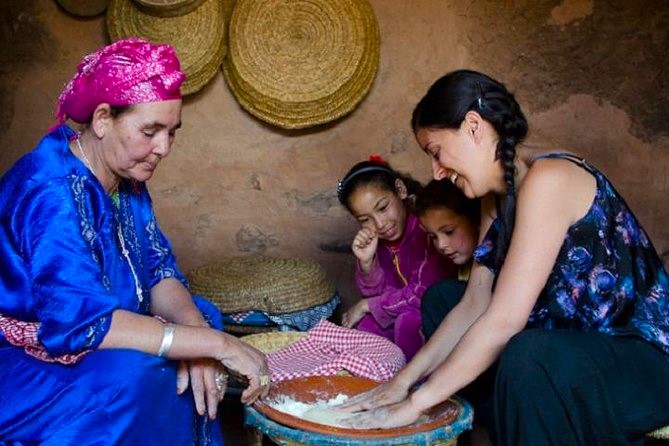
Many rural guesthouses offer craft workshops as part of the stay. In villages in the Atlas Mountains or the Draa Valley, travelers can learn to weave Berber rugs, make Tamegroute pottery, work with leather, or make traditional lamps. These experiences allow visitors to get closer to the creative process and appreciate the effort of the artisans, while also providing financial support to the families who run the workshops.
Walks and Rural Exploration
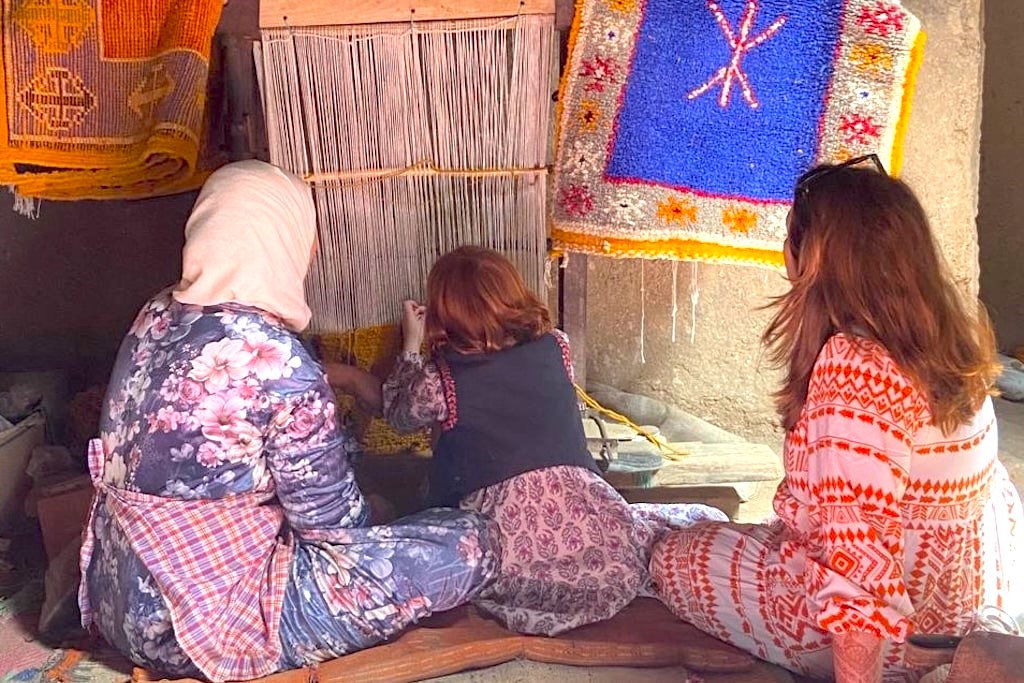
Another popular activity at Morocco’s family-run rural guesthouses is exploring the surrounding area on foot or by bike, discovering rural life, natural landscapes, and local markets. Participating in community festivals and celebrations allows travelers to connect with the local culture, gaining a better understanding of each region’s customs and values, while supporting respectful and sustainable tourism.
Agritourism Experiences
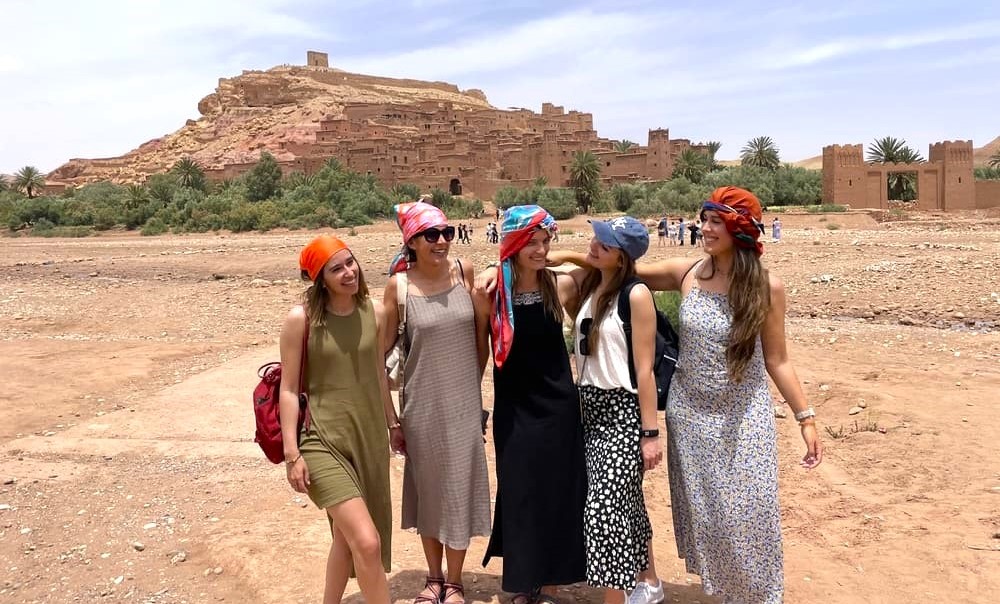
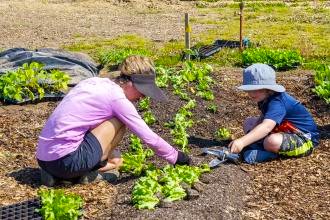
Some rural houses offer agritourism experiences that allow visitors to get involved in the daily life of the community. From helping in vegetable gardens, picking fruit, or caring for animals to participating in the production of argan oil, these activities offer a direct connection with the land and local traditions. Travelers not only gain practical knowledge, but also contribute to the sustainable development of rural families.
Cultural and Sustainable Value of Handicrafts
Beyond their aesthetic beauty, Moroccan rural crafts represent the cultural and economic identity of the communities that produce them. Each handmade object contributes to sustainable development, the empowerment of women artisans, and the preservation of traditions in the face of industrialization. By purchasing a handcrafted piece or visiting a rural workshop, travelers not only take home an authentic souvenir, but also a living part of the Moroccan soul, helping to maintain the balance between heritage, art, and the future.
How tourism can support artisans
Tourism is a powerful tool for preserving Moroccan rural crafts and strengthening the local economy. One direct way to support artisans is to buy products directly from their workshops. This ensures that income goes to those who actually make the pieces, avoiding intermediaries and tourist shops that reduce the creators’ profits.
Participating in craft workshops and demonstrations is also an effective way to contribute. In villages in the Montagnes de l’Atlas or oases such as the Draa Valley, visitors can learn weaving, pottery, leatherworking, and metalworking techniques directly from artisans. These educational experiences generate additional income and foster respect for local culture.
Optar por tours operados por comunidades locales permite que los beneficios del turismo se distribuyan equitativamente y garantiza experiencias auténticas. Muchas iniciativas incluyen visitas a talleres, clases de cocina tradicional y recorridos por aldeas, asegurando que el impacto sea positivo tanto para los viajeros como para los residentes.
Finalmente, los turistas pueden apoyar siendo conscientes de su comportamiento: respetar los espacios de trabajo, valorar la dedicación de los artesanos y difundir sus experiencias de manera responsable ayuda a preservar estas tradiciones para futuras generaciones.
Examples of sustainable tourism initiatives in Morocco
Morocco has numerous sustainable tourism initiatives that directly support artisans and strengthen rural communities. In the Atlas Mountains, several programs allow tourists to stay in family homes while participating in workshops on weaving, pottery, and leatherwork. This ensures that tourism revenues go directly to local households and encourages the transmission of ancestral techniques.
In desert oases and villages, such as Merzouga and the Draa Valley, some cooperatives organize tours that combine crafts, culture, and ecotourism. Visitors can participate in workshops on pottery, lamp making, and weaving, while learning about the daily lives of artisans and environmental conservation practices.
In addition, organizations such as UNESCO promote programs for the preservation of intangible cultural heritage, which include support for artisans and the promotion of responsible tourism. These initiatives keep Moroccan traditions alive while generating sustainable income for rural communities.
These examples show that sustainable tourism not only offers travelers authentic experiences, but also strengthens the local economy and protects Morocco’s cultural wealth for future generations.
Supporting Rural Artisans through Sustainable Tourism
Moroccan rural crafts represent centuries of tradition, creativity, and living culture. From Berber weaving in the Atlas Mountains to Tamegroute pottery and leatherwork in oases such as Merzouga, each piece is a testament to the country’s cultural heritage.
Sustainable tourism offers a unique opportunity to preserve these traditions while directly supporting artisans and their communities. By purchasing directly from family workshops, participating in educational workshops, and choosing responsible tours operated by locals, travelers contribute to keeping these ancestral practices alive and strengthen the rural economy.
If you want to enjoy an authentic experience, learn from Moroccan artisans, and contribute to responsible tourism in Morocco, contact us here to plan your trip and support rural communities in a meaningful way.
Every stay in a family-run rural house tells a story. Every trip can transform the way you experience Morocco.
Join responsible tourism that supports family-run rural guesthouses in Morocco and helps preserve local traditions, cuisine, and crafts.
Contact us today and discover how your trip can have a positive impact on rural communities while you enjoy authentic cultural experiences.

