
Moroccan Rural Crafts: How Tourism Supports Local Artisans
Morocco is a country rich in culture, traditions, and unique landscapes, but one of its greatest treasures lies in its rural crafts. Each handmade piece, from Berber rugs to desert pottery, reflects centuries of history, creativity, and techniques passed down from generation to generation.
Tourism plays an essential role in preserving these traditions. By visiting workshops, buying directly from artisans, and participating in cultural experiences, travelers not only acquire authentic souvenirs, but also contribute to the local economy, allowing these rural communities to maintain their livelihoods and ancestral techniques.
In this article, we will explore how tourism can support rural artisans in Morocco, what types of crafts are found in rural areas, and how travelers can engage responsibly to enjoy an authentic experience.
Introduction to Moroccan Rural Crafts
Moroccan rural crafts represent the creative soul of Morocco, where each handmade object tells a story of tradition, identity, and community. In the villages of the Atlas Mountains, the southern valleys, and the desert hamlets, artisans combine ancestral techniques with natural materials to create unique pieces that reflect centuries of cultural heritage. From colorful Berber textiles to Tamegroute pottery, craftsmanship is an essential part of Morocco’s intangible cultural heritage, preserving knowledge passed down from generation to generation. Below, we explore the main types of crafts that bring the country’s artistic and human wealth to life.
Berber Fabrics and Rugs
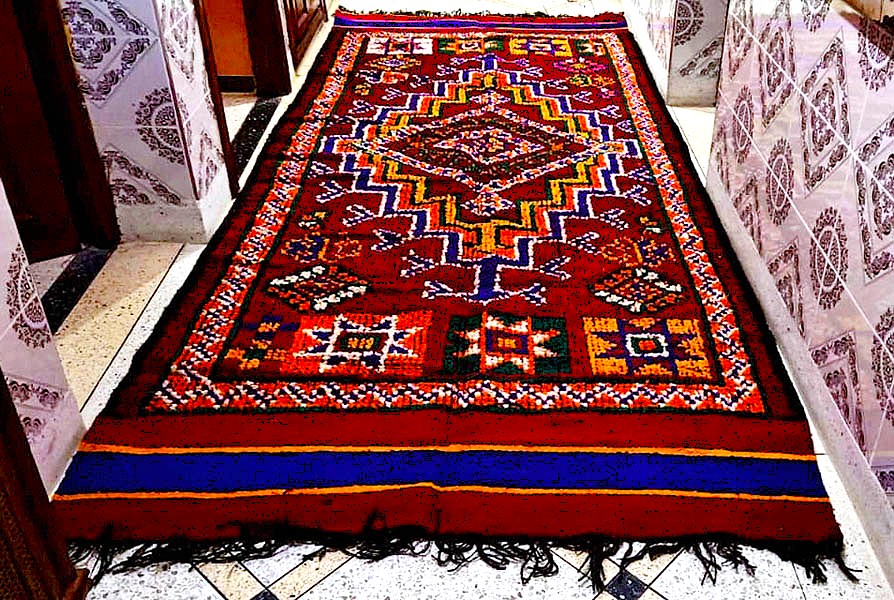
Among the most representative Moroccan rural crafts are Berber textiles and carpets, handmade by women in the villages of the Atlas Mountains. Each carpet reflects the history and identity of its creator: geometric symbols and natural colors represent moments in life, beliefs, or tribal affiliation. These unique pieces, woven from pure wool and dyed with vegetable pigments, not only decorate homes but also preserve the cultural heritage passed down from generation to generation, keeping one of the country’s oldest traditions alive.
Tamegroute pottery
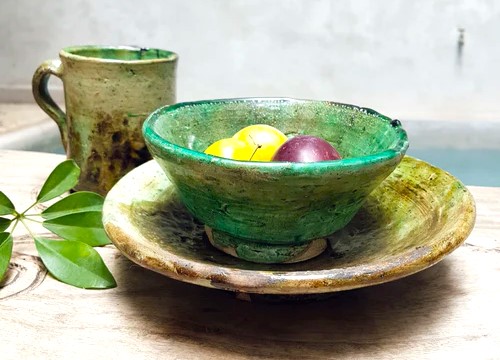
Tamegroute pottery, originating in the Draa Valley, is one of the most unique gems of Moroccan rural crafts. Renowned for its green and brown tones, this pottery is made using traditional techniques that combine local clay, mineral glazes, and wood-fired kilns. Each piece, whether a plate, bowl, or tile, is molded and decorated entirely by hand. The artisans of Tamegroute have preserved this ancestral knowledge for centuries, creating works that reflect both Islamic aesthetics and a spiritual connection to the land and natural materials of the desert.
Leatherwork
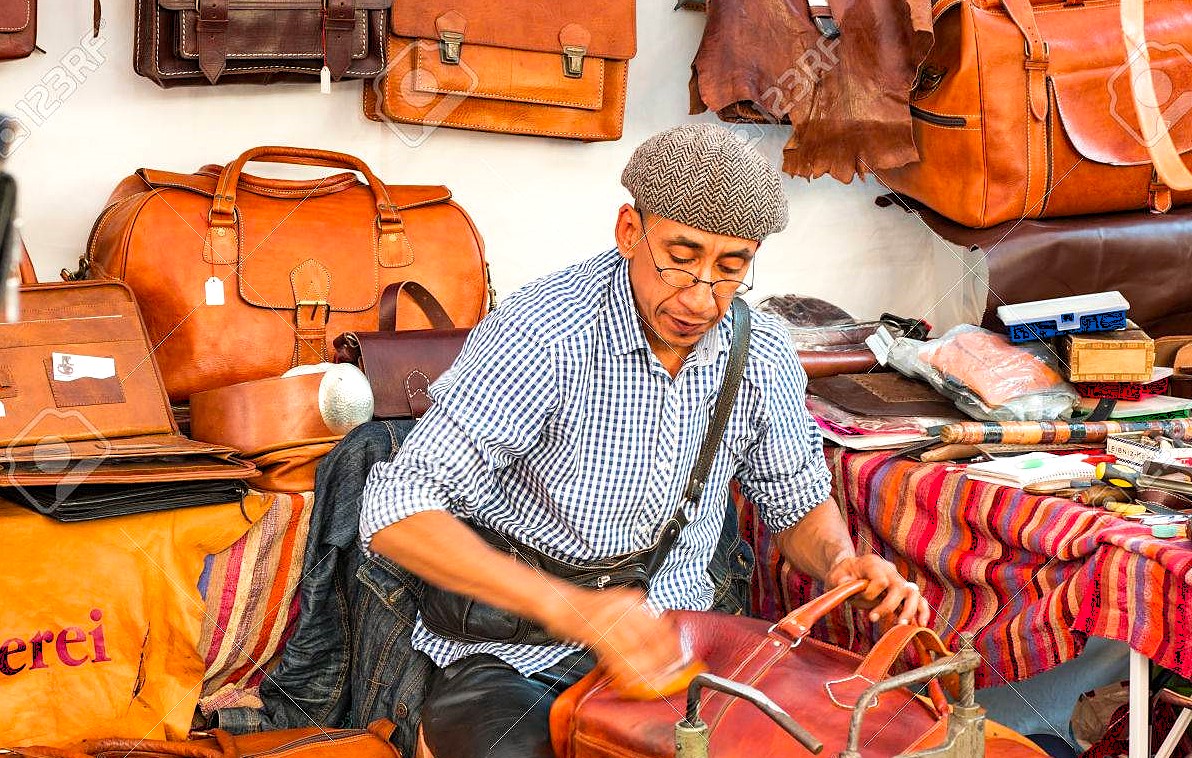
Leatherwork is another pillar of Moroccan rural crafts, especially in regions close to the desert such as Merzouga and Erfoud. Local artisans use natural tanning methods based on plant extracts to create durable and beautiful items such as bags, sandals, belts, and wallets. This artisanal process requires precision and patience, ensuring exceptional quality and respect for the environment. The result is pieces that reflect the authenticity of Moroccan craftsmanship and the connection between nomadic tradition and functional art.
Wood Carving and Metalwork
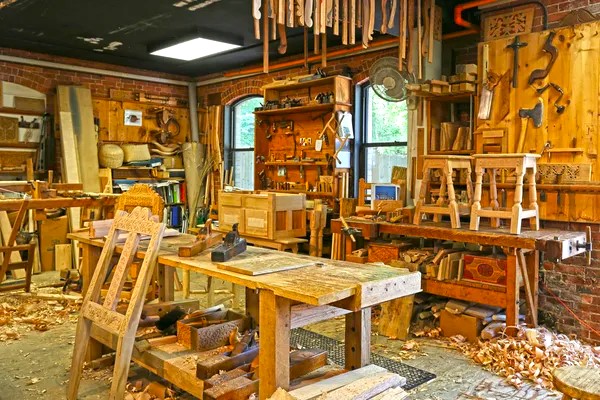
Moroccan rural crafts also include a wide variety of wooden and metal objects, made in small family workshops scattered throughout the country. Moroccan artisans carve chests, lamps, mirrors, and decorative utensils using techniques that combine Andalusian and Berber influences. In towns and villages in the Middle Atlas, cedar wood is carved with precision, while in the south, metals such as copper and brass are engraved by hand with geometric and floral designs. These works reflect the patience, skill, and spirituality of Moroccan craftsmanship.
Cultural and Sustainable Value of Handicrafts
Beyond their aesthetic beauty, Moroccan rural crafts represent the cultural and economic identity of the communities that produce them. Each handmade object contributes to sustainable development, the empowerment of women artisans, and the preservation of traditions in the face of industrialization. By purchasing a handcrafted piece or visiting a rural workshop, travelers not only take home an authentic souvenir, but also a living part of the Moroccan soul, helping to maintain the balance between heritage, art, and the future.
How tourism can support artisans
Tourism is a powerful tool for preserving Moroccan rural crafts and strengthening the local economy. One direct way to support artisans is to buy products directly from their workshops. This ensures that income goes to those who actually make the pieces, avoiding intermediaries and tourist shops that reduce the creators’ profits.
Participating in craft workshops and demonstrations is also an effective way to contribute. In villages in the Montagnes de l’Atlas or oases such as the Draa Valley, visitors can learn weaving, pottery, leatherworking, and metalworking techniques directly from artisans. These educational experiences generate additional income and foster respect for local culture.
Opter pour des circuits organisés par les communautés locales permet de répartir équitablement les bénéfices du tourisme et garantit des expériences authentiques. De nombreuses initiatives comprennent des visites d’ateliers, des cours de cuisine traditionnelle et des visites de villages, garantissant ainsi un impact positif tant pour les voyageurs que pour les résidents.
Finally, tourists can support these traditions by being mindful of their behavior: respecting workspaces, appreciating the dedication of artisans, and sharing their experiences responsibly helps preserve these traditions for future generations.
Examples of sustainable tourism initiatives in Morocco
Morocco has numerous sustainable tourism initiatives that directly support artisans and strengthen rural communities. In the Atlas Mountains, several programs allow tourists to stay in family homes while participating in workshops on weaving, pottery, and leatherwork. This ensures that tourism revenues go directly to local households and encourages the transmission of ancestral techniques.
In desert oases and villages, such as Merzouga and the Draa Valley, some cooperatives organize tours that combine crafts, culture, and ecotourism. Visitors can participate in workshops on pottery, lamp making, and weaving, while learning about the daily lives of artisans and environmental conservation practices.
In addition, organizations such as UNESCO promote programs for the preservation of intangible cultural heritage, which include support for artisans and the promotion of responsible tourism. These initiatives keep Moroccan traditions alive while generating sustainable income for rural communities.
These examples show that sustainable tourism not only offers travelers authentic experiences, but also strengthens the local economy and protects Morocco’s cultural wealth for future generations.
Soutenir les artisans ruraux grâce au tourisme durable
Moroccan rural crafts represent centuries of tradition, creativity, and living culture. From Berber weaving in the Atlas Mountains to Tamegroute pottery and leatherwork in oases such as Merzouga, each piece is a testament to the country’s cultural heritage.
Sustainable tourism offers a unique opportunity to preserve these traditions while directly supporting artisans and their communities. By purchasing directly from family workshops, participating in educational workshops, and choosing responsible tours operated by locals, travelers contribute to keeping these ancestral practices alive and strengthen the rural economy.
If you want to enjoy an authentic experience, learn from Moroccan artisans, and contribute to responsible tourism in Morocco, contact us here to plan your trip and support rural communities in a meaningful way.
Every handcrafted piece tells a story. Every journey can change a life.
Join responsible tourism that supports rural artisans in Morocco and helps keep their traditions alive.
Contact us today and discover how your trip can make a difference.

