
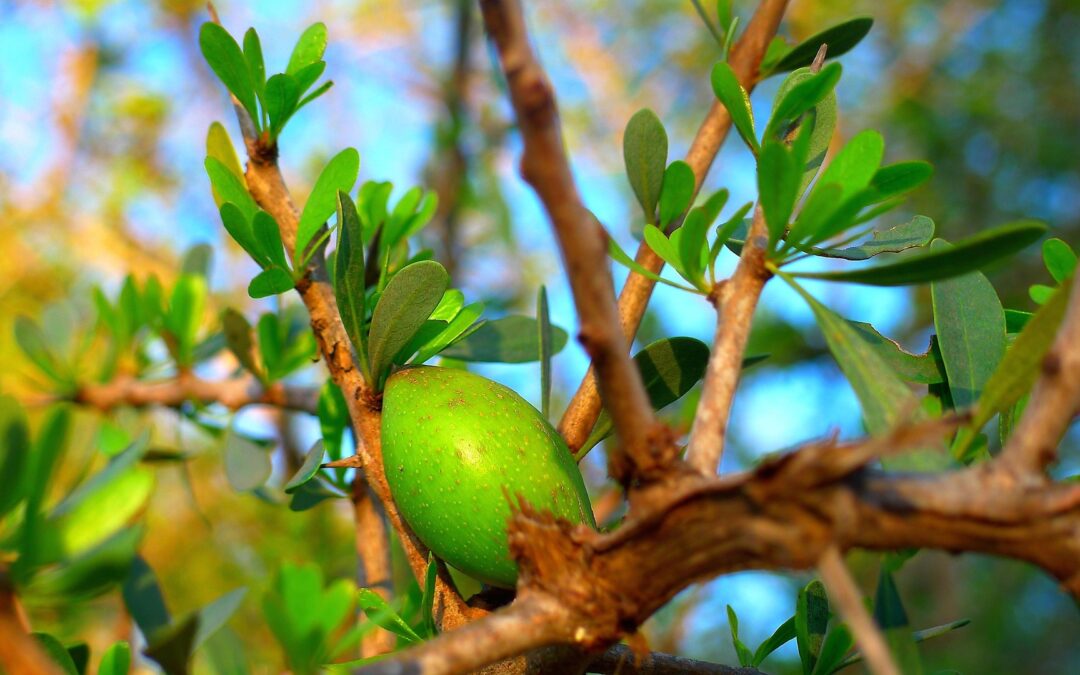
Somewhere in the sun-scorched plains of southwestern Morocco, a small, thorny tree produces one of the most coveted beauty oils on the planet. For centuries, Berber women have slowly and methodically cracked open the hard nuts of the Argania spinosa tree by hand to extract a golden oil that has quietly transformed skin and hair long before it appeared on the shelves of Parisian boutiques or at beauty counters in New York.
*** Translated with www.DeepL.com/Translator (free version) ***
These days, Moroccan argan oil is everywhere. It fills the shelves of luxury beauty salons, is found in the dropper bottles of high-end skincare lines, and is the cornerstone of hair care brands that generate millions of dollars in revenue. But beyond the marketing hype, what effects does this oil actually have? Is it worth the price? And how can you tell authentic Moroccan argan oil from a cheap imitation?
*** Translated with www.DeepL.com/Translator (free version) ***
This guide answers all those questions… and many more.
What Is Moroccan Argan Oil? Origins and History
Argan oil is a vegetable oil extracted from the seeds of the argan tree (Argania spinosa), a species that grows almost exclusively in the Souss-Massa region in southwestern Morocco, a UNESCO-protected biosphere reserve that stretches between the cities of Agadir and Essaouira.
The trees themselves are extraordinary survivors. They can live up to 200 years and have a root system deep enough to slow the desert’s expansion. It is well known that goats climb their branches to eat their fleshy fruits, which is one of the most surreal sights in the Moroccan landscape.
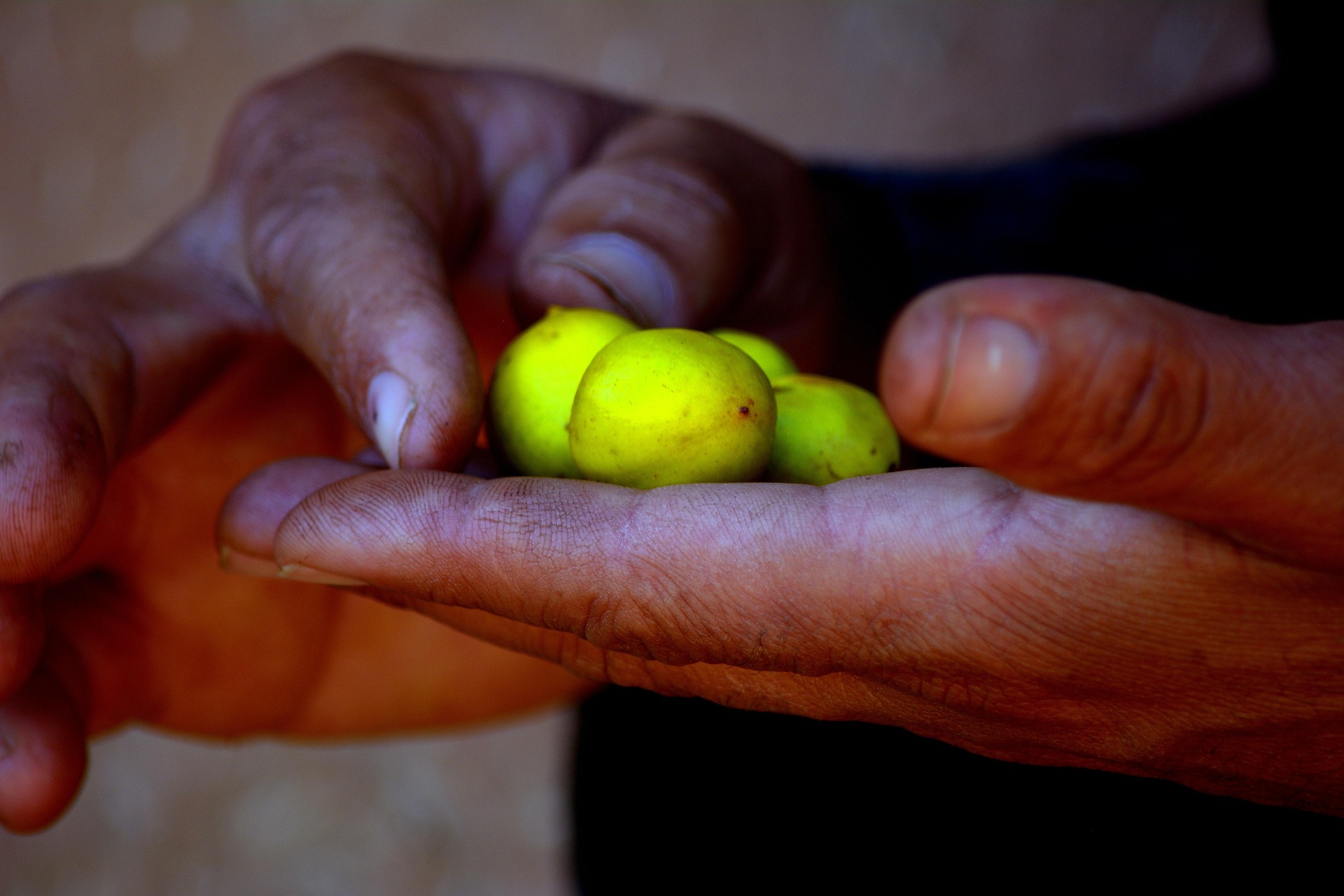
For the Amazigh (Berber) indigenous communities in the region, argan oil has been a staple food, a medicinal remedy, and a beauty treatment for at least a thousand years. Women would gather in cooperatives—a tradition that continues to this day—to peel, roast, grind, and press the seeds to extract the oil. The process requires an extraordinary amount of labor: it takes approximately 30 to 40 kilograms of argan fruit to produce just one liter of pure oil, which explains its price.
*** Translated with www.DeepL.com/Translator (free version) ***
The oil comes in two main forms. Culinary argan oil is made from lightly toasted seeds and has a characteristic nutty aroma; it is drizzled over couscous, used as a dip for bread and honey, and enjoyed as part of the traditional Moroccan snack called amlou. Cosmetic argan oil—the type we’re focusing on here—is extracted by cold-pressing raw (unroasted) seeds, which gives it a more neutral aroma and a lighter texture, ideal for the skin and hair.
*** Translated with www.DeepL.com/Translator (free version) ***
In the early 2000s, Western markets discovered Moroccan argan oil, and demand has not slowed since. The global argan oil market is currently valued at hundreds of millions of dollars. This economic boom has been both a blessing and a challenge for the communities that produce it, raising important questions about sustainability and fair trade that we will address later.
The nickname “liquid gold” isn’t just a poetic marketing strategy. It reflects the extraordinary effort that goes into every bottle, the oil’s deep cultural roots, and, most importantly, its truly exceptional composition.
Key Benefits of Moroccan Argan Oil for Skin, Hair, and Nails
The reason argan oil has remained a staple in the beauty industry for centuries—and has continued to attract significant scientific interest in the modern era—is its nutritional profile. This oil is exceptionally rich in various compounds that provide complementary benefits for the skin, hair, and nails.
What is in a drop of argan oil?
- Vitamin E (tocopherols): A fat-soluble antioxidant that protects cells from oxidative stress, strengthens the skin’s barrier function, and has been studied for its role in reducing skin damage caused by UV rays.
- Oleic acid (omega-9): A monounsaturated fatty acid that penetrates deeply into the skin tissue, providing moisture and softening the outer layers.
- Linoleic acid (omega-6): An essential fatty acid that strengthens the skin’s lipid barrier, contributes to the integrity of cell membranes, and has anti-inflammatory properties.
- Squalene: A natural compound that mimics the skin’s sebum, providing exceptional hydration without clogging pores.
- Polyphenols and plant sterols: Compounds with antioxidant and anti-inflammatory properties that protect the skin from environmental stressors.
Skin Benefits
Argan oil is a true all-around skin care product. Its combination of vitamin E and fatty acids makes it an effective daily moisturizer that absorbs quickly without leaving a greasy residue—a quality that sets it apart from heavier oils such as coconut or castor oil. It is especially recommended for dry, dehydrated, or flaky skin.
When it comes to the signs of aging, the antioxidants in argan oil help neutralize free radicals—unstable molecules generated by sun exposure and pollution that, over time, break down collagen. Several studies have shown that regular topical use of argan oil can improve skin elasticity and reduce the appearance of fine lines, especially in postmenopausal women.
It may also be beneficial for acne-prone skin. Linoleic acid, one of the main fatty acids in argan oil, is often deficient in people who produce excess sebum. Topical application of oils rich in linoleic acid can help regulate sebum production and reduce the formation of comedones. That said, results vary from person to person, and those with very oily skin should perform a patch test first.
Benefits for Hair
It could be said that this is the area where argan oil has gained the most fame. Its ability to smooth the hair cuticle—the outer layer of each strand of hair—makes it one of the most effective natural treatments for frizz available. When the cuticle is smooth, the hair reflects light more evenly, which is why argan oil is associated with a visible shine.
Fatty acids also help repair damage to porous hair—the type of damage caused by heat styling tools, bleaches, and chemical treatments. They fill in the gaps in the cuticle structure, which temporarily reduces breakage and improves manageability. For those with dry, brittle, or color-treated hair, a small amount of argan oil, used as a leave-in treatment or finishing serum, can make a noticeable difference in texture and elasticity.
*** Translated with www.DeepL.com/Translator (free version) ***
Beyond the hair itself, argan oil is beneficial for the scalp. Its anti-inflammatory compounds can relieve itching and irritation, and regular scalp massages with argan oil can improve circulation in the hair follicles, although more research is needed in this specific area.
Benefits for Nails and Cuticles
A lesser-known but truly useful use: argan oil is excellent for dry, brittle nails and cracked cuticles. Its vitamin E and fatty acids moisturize the nail bed, reduce flaking, and keep cuticles soft. Massaging a few drops into the nail area several times a week is one of the simplest home remedies there is.
How to Use Moroccan Argan Oil: A Step-by-Step Guide
The best thing about argan oil is its simplicity. You don’t need a complicated routine—all you need is a good oil and to apply it regularly. Here’s how to get the most out of it.
For hair
As a pre-shampoo treatment: Warm 2 or 3 drops between your palms and apply the oil to dry hair, starting from the mid-lengths to the ends. Leave it on for 20–30 minutes (or overnight under a shower cap), then wash your hair with shampoo as usual. This treatment is especially effective for dry or chemically treated hair.
As a leave-in conditioner: After washing and towel-drying your hair, apply 1 or 2 drops to damp hair, paying special attention to the ends. Do not rinse. Style your hair as usual. This reduces frizz, speeds up drying time, and protects against heat damage.
As a finishing serum: Rub a single drop between your palms and gently apply it to dry, styled hair to tame flyaways and add shine. In this case, less is more: if you apply too much oil to dry hair, it will look greasy.
Frequency: 2 to 3 times a week for most hair types. It can be used daily on very dry or damaged hair.
For the skin
As a facial moisturizer: Apply 3 or 4 drops to clean, slightly damp skin (the moisture helps the oil absorb better). Gently massage in upward circular motions. Use it in the morning and/or at night. It works perfectly under sunscreen as part of your morning routine.
As a body oil: Apply it generously to damp skin right after showering; this is the most effective way to lock in moisture. Pay special attention to dry areas, such as your knees, elbows, and heels.
As a makeup primer: A thin layer of argan oil, applied and allowed to absorb completely before applying foundation, creates a smooth, even base that helps makeup stay in place better and last longer.
For nails
Warm one or two drops between your fingers and massage it directly onto the nail bed and cuticles. Do this before going to bed, 3 to 4 times a week. You’ll notice the difference in how soft your cuticles are in just a few days.
How to Choose the Best Moroccan Argan Oil: Pure vs. Blended
This is where the market gets complicated, and where most consumers are misled. Not all argan oils are the same, and there is a significant difference between pure, cold-pressed Moroccan argan oil and a cheap, diluted product.
What to Keep in Mind
The label must include the statement “100% pure argan oil.” Ideally, the list of ingredients (INCI name: Argania Spinosa Kernel Oil) should not include any other ingredients, or argan oil should be listed as the first ingredient and as the main ingredient.
Cold-press extraction is the gold standard. Extraction methods that use heat are faster and more economical, but they degrade the oil’s vitamin content and bioactive compounds. Look for the words “cold-pressed” or “cold-extracted” on the label.
Certifications to Look For:
- Organic certification (USDA or ECOCERT): guarantees that the grains have been processed without synthetic pesticides
- Fair Trade certification: ensures that the Berber cooperatives that produce the oil receive fair wages
- COSMOS or NaTrue Certification: European Standards for Natural and Organic Cosmetics
Color and texture: Authentic cosmetic argan oil is a light liquid, ranging in color from clear to pale golden yellow, with a very subtle, slightly nutty aroma. If the oil is dark, has an orange tint, or has a strong odor, it may be cooking oil (which isn’t a defect, but isn’t ideal for the skin) or it may be old and oxidized.
Container: Argan oil degrades when exposed to light and air. It should be packaged in a dark glass bottle—amber or cobalt—and not in a clear plastic container.
Warning Signs to Avoid
- Very long ingredient lists in which argan oil appears near the end (which means it’s barely present)
- Extremely low prices (a 100-ml bottle for less than $5 is probably not pure)
- Contains added fragrances: these mask the rancid odor and may irritate sensitive skin
- Clear plastic bottles: Poor-quality packaging accelerates oxidation
Price Guide
For 30–60 ml of authentic, certified, cold-pressed argan oil, the price ranges from $15 to $40. Larger bottles from well-known brands can cost between $30 and $60. Any product that is significantly cheaper should be examined carefully to rule out the possibility that it has been diluted or adulterated.
Moroccan Argan Oil for Hair: Expert Tips for the Best Results
Even if the product is high-quality, technique is essential. These are the details that make the difference between a good result and an excellent one.
Start with a small amount. Argan oil is very potent. Most people use too much, especially on fine hair, and end up with a greasy result. Start with just one drop and add more only if necessary.
Apply it to damp hair, not wet hair. When hair is completely soaked, the oil can barely adhere to the hair shaft. Towel-dry your hair until it is damp, and then apply the product.
Focus on the ends, not the roots. The scalp produces its own natural oils. Generally, it’s not necessary to apply argan oil to the roots, as it can quickly make your hair look weighed down or greasy. Apply it from the middle of the hair shaft to the ends.
Combine them strategically. Argan oil blends exceptionally well with lighter oils, such as jojoba oil (which has a composition similar to sebum), to create a blended serum that absorbs more easily. Avoid combining it with heavy oils, such as coconut or castor oil, on fine hair, as the mixture may be too occlusive.
Use it before applying heat when styling your hair. A drop of argan oil applied to damp hair before blow-drying creates a protective barrier against heat that reduces the damage caused by high temperatures to the cuticle. It is not a substitute for a specific heat protectant when using very high temperatures, but it provides significant protection at moderate temperatures.
Be consistent. Unlike other beauty treatments, argan oil works best as part of a regular hair care routine rather than as an occasional intensive treatment. Consistent use twice a week will transform your hair’s texture within 4 to 6 weeks, yielding better results than sporadic intensive treatments.
Is Moroccan argan oil safe? Side effects and who should avoid it
Argan oil has an excellent safety profile for most people. It is non-comedogenic (a score of 0 to 1 on the comedogenicity scale), which means it is unlikely to clog pores. In addition, it is generally well tolerated by sensitive skin.
Possible side effects
Nut allergy: Argan oil is derived from a nut, and although allergic reactions to argan oil used topically are rare, people with a known nut allergy should exercise caution. Always perform a skin test: Apply a small amount to the inside of your forearm and wait 24 hours before using it on other areas of the body.
Scalp Sensitivity: In rare cases, some people experience mild scalp irritation or rashes along the hairline when using argan oil. This is usually due to product buildup rather than the oil itself, and can be resolved by using less product and washing the hair more thoroughly with shampoo.
Oxidized oil: Rancid argan oil—oil that has passed its expiration date or has been stored improperly—can cause skin irritation. Check for an unpleasant odor before using it.
Pregnancy
Topical use of argan oil during pregnancy is generally considered safe. There is no significant evidence that applying it to the skin poses any risk. As for ingesting it, consult your doctor.
Storage Tips
- Store it in a cool, dark place; ideally, in a bathroom cabinet, away from the steam from the shower
- Keep the cap tightly closed between uses
- The shelf life is usually 18 to 24 months after opening
- Do not store it near direct sunlight or heat sources
Where to Buy Authentic Moroccan Argan Oil — and What to Expect
Where to buy:
- Directly from Moroccan cooperatives (online or in person): This is the most authentic and ethically transparent source. Many women’s cooperatives now sell directly through their own websites or through fair-trade stores.
- Stores specializing in beauty products (Sephora, The Ordinary, Josie Maran): These stores carry well-known brands with quality certifications.
- Online markets: Amazon and other similar platforms offer many options, but it’s essential to proceed with caution: read the product descriptions carefully and prioritize sellers who provide detailed information about the origin of their products and have verified reviews.
Trusted brands you can discover: 100% pure argan oil by Josie Maran, organic argan oil by Pura d’Or, argan oil by Acure, and oils sourced directly from Moroccan cooperatives through fair-trade channels.
What to Expect from Authentic Argan Oil:
- It is absorbed into the skin in 1 or 2 minutes without leaving any residue
- It leaves hair soft and manageable without weighing it down (when used in the right amount)
- You can notice that your skin is more hydrated as early as the first week of use
- Noticeable improvement in hair texture and shine after 3 or 4 weeks of consistent use
It’s worth investing in authentic Moroccan argan oil, but only if the product is genuine. A $4 “argan oil shampoo” in which argan oil is listed as the tenth ingredient is not the same as spending a few dollars on a small bottle of certified, cold-pressed pure oil.
Discover authentic Moroccan argan oil
Explore the landscapes of southern Morocco, where the famous “liquid gold” originates, and discover the Berber traditions that have preserved the art of producing pure argan oil for centuries. Visit local cooperatives, learn about natural beauty rituals, and enjoy an authentic experience that blends Moroccan culture, wellness, and tradition.
Frequently Asked Questions
Can I use argan oil on my face every day?
Yes. Argan oil is light enough to use daily on the face for most skin types, including combination skin. Apply it to clean, slightly damp skin and let it absorb completely before applying sunscreen or makeup. If you have very oily skin, start by using it every other day and see how your skin reacts.
How long does it take to notice the effects of argan oil?
For the skin, basic improvements in hydration are noticeable after a few days. To see the anti-aging and elasticity benefits, consistent use for 4–8 weeks is recommended. As for the hair, you’ll notice a difference in softness after the first use, but significant improvements in frizz control and overall texture usually appear after 3–4 weeks of regular use.
Does argan oil help treat stretch marks or scars?
The vitamin E and fatty acids in argan oil can help improve the appearance of stretch marks and mild scars by moisturizing the skin and promoting its elasticity. It is more effective when used in the early stages of stretch mark formation (for example, during pregnancy) than on mature, fully formed stretch marks. Results vary considerably from person to person.
Is there any difference between the argan oil sold in Morocco and the argan oil sold internationally?
Argan oil sold directly from the source in Morocco can be exceptionally fresh and affordable, especially if purchased directly from women’s cooperatives. However, quality varies, and not all oil sold locally is cold-pressed or cosmetic-grade. Whether you buy it locally or internationally, the same quality indicators apply: cold-pressed, pale golden color, minimal aroma, and a dark glass bottle.
Can argan oil be used on all hair types?
Yes, although the amount and method of application vary. Fine hair benefits from a single drop applied sparingly as a finishing oil. Thick, coarse, or curly hair can handle a slightly more generous application and benefits especially from the oil as a leave-in treatment. For very oily hair, application should be limited to the ends only, to prevent the scalp from becoming oily.
Is “Moroccan oil” the same as argan oil?
Connect with Morocco’s rich Amazigh culture.
Every trip can help preserve ancient traditions and strengthen local communities.
Travel with purpose, support Amazigh culture, and contribute to responsible tourism. Plan your authentic experience today.

