
Why Visit Morocco During Ramadan: An Authentic and Unforgettable Experience
What is Ramadan, and how is it observed in Morocco?
Ramadan is the holiest month of the Islamic calendar and is observed in Morocco with a very special spiritual and cultural depth. During this period, Muslims fast from sunrise to sunset, abstaining from eating, drinking, and smoking as a form of purification, reflection, and spiritual connection.
In Morocco, Ramadan goes far beyond fasting. It is a time dedicated to family, solidarity, and mutual respect. The days begin early and unfold at a more leisurely pace, creating a serene atmosphere in cities, towns, and deserts. As sunset approaches, the atmosphere changes completely: the streets fill with irresistible aromas, and families prepare for iftar, the meal that breaks the fast.
One of the most fascinating aspects of Ramadan in Morocco is how it blends into daily life without completely disrupting it. Markets, souks, and landmarks remain open—albeit with adjusted hours—allowing travelers to continue exploring the country while observing authentic traditions that have been passed down from generation to generation.
For visitors, Ramadan offers a unique opportunity to experience the most authentic side of Morocco. Far from being a limitation, this holy month allows travelers to immerse themselves in the local culture, gain a better understanding of Moroccan values, and experience the country from an intimate and respectful perspective.
A More Authentic and Spiritual Morocco
Traveling to Morocco during Ramadan means discovering the country in its most authentic and profound form. During this holy month, daily life takes on a more leisurely pace, allowing travelers to observe and experience the true essence of the country, far from the usual hustle and bustle of the high season.
Mornings and afternoons are peaceful, ideal for strolling through the medinas, exploring the souks, or visiting historic monuments without rushing or dealing with crowds. This serene atmosphere fosters a special connection with the places and people, offering a more intimate and reflective experience.
The spiritual aspect of Ramadan is evident in every detail: in the respect among neighbors, in the generosity toward those most in need, and in the strong sense of community. For visitors, this atmosphere offers a unique opportunity to understand the values at the heart of Moroccan culture, such as hospitality, patience, and solidarity.
In addition, Ramadan invites a more mindful kind of travel. It’s an ideal time to disconnect from the fast pace of life, enjoy the silence of the desert, take in natural landscapes, and appreciate Morocco from a more human and spiritual perspective. It’s an experience that leaves a lasting impression and transforms the way you travel.
The Magic of Iftar: Cuisine and Tradition
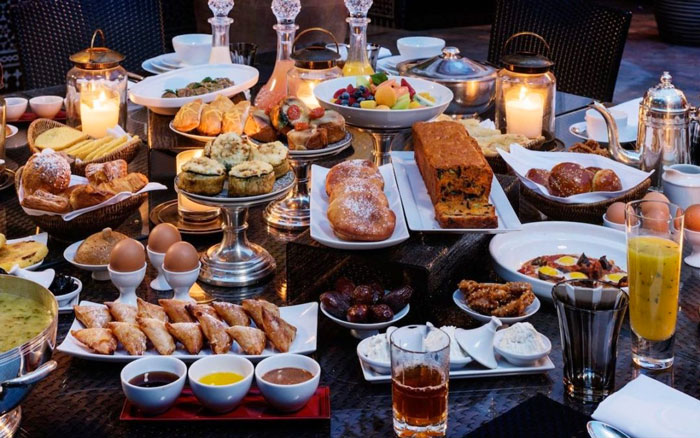
One of the most special moments of Ramadan in Morocco is, without a doubt, iftar, the meal that marks the end of the fast at sunset. Every evening, the entire country seems to come to a standstill for a few minutes as families, friends, and neighbors gather around the table to share this meaningful moment.
The Moroccan iftar is a true celebration of flavors and traditions. The meal usually begins with dates and milk, followed by the famous harira, a rich and comforting traditional soup that has become a symbol of Ramadan. There is also no shortage of traditional sweets such as chebakia, sellou, and a wide variety of freshly baked breads.
For travelers, experiencing an iftar in Morocco is an unforgettable cultural experience. Many riads, restaurants, and desert camps offer special dinners during Ramadan, allowing visitors to sample authentic dishes in a warm and welcoming atmosphere. Sometimes, you even have the opportunity to share a meal with local families—a gesture of hospitality that leaves a lasting impression.
Beyond the food, iftar is a time of togetherness and joy. The streets come alive after sunset, cafés stay open late into the night, and the atmosphere becomes festive. Taking part in this daily ritual allows travelers to understand the true spirit of Ramadan and enjoy Morocco through its flavors, aromas, and traditions.
Fewer tourists, more exclusive experiences
One of the most appealing reasons to visit Morocco during Ramadan is that there are fewer tourists compared to other times of the year. The imperial cities, the Sahara Desert, and the most popular destinations feel more peaceful, allowing you to enjoy each place in a more relaxed and authentic way.
With fewer visitors, tours of the medinas, souks, and historic monuments become more enjoyable. You can stroll without crowds, take photos at your own pace, and connect more deeply with your surroundings. This tranquility transforms the travel experience, making it more personal and memorable.
In addition, this time of year offers access to more exclusive and personalized experiences. Local guides, drivers, and hosts typically have more time to attend to travelers, share stories, and provide more personalized attention. This translates into higher-quality service and a deeper cultural immersion.
For those seeking an authentic Morocco, far from mass tourism, Ramadan offers the ideal setting. It’s the perfect time to explore the country at a leisurely pace, enjoy Moroccan hospitality, and have unique experiences that are hard to come by during peak season.
Experience Morocco like never before during Ramadan!
Discover the magic of its traditions, the hospitality of its people, and the unique energy of its nights. Join us for an authentic experience, from the flavors of iftar to the desert landscapes and vibrant medinas.
Book your trip now and let yourself be captivated by the most authentic Morocco during Ramadan.
More attractive prices and better value for money
Traveling to Morocco during Ramadan also offers a significant advantage for many travelers: more competitive prices. Since it’s a less crowded season, it’s common to find better rates on accommodations, traditional riads, and hotels of various categories.
Private tours, desert excursions, and services provided by local guides tend to offer better value for money during this period. This allows travelers to enjoy more comprehensive, personalized, and comfortable experiences without increasing their travel budget. For those who want to explore Morocco in an authentic and unhurried way, Ramadan is an ideal opportunity.
In addition, the greater availability of services makes it easier to plan a trip. There is more flexibility in schedules, greater attention to detail, and a more personalized approach from tourism professionals. All of this contributes to a more thoughtful and satisfying experience.
In short, traveling during Ramadan is not only culturally enriching, but it also allows you to make the most of your budget without sacrificing quality, making it a smart and rewarding choice.
Nights full of life and celebration
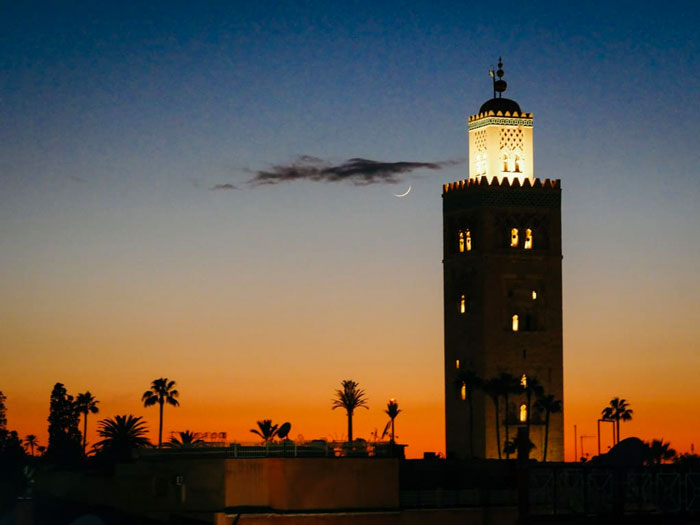
Although the pace of life in Morocco is more relaxed during the day in Ramadan, the nights come alive with energy, joy, and a sense of community. Right after iftar, the cities come alive with a special atmosphere that surprises many travelers.
The medinas come alive with lights, cafes and restaurants fill up with families and friends, and the most iconic squares—such as Jamaa el Fna in Marrakech—become true showcases of life and tradition. The night markets offer traditional sweets, fresh juices, and local specialties that can only be fully enjoyed during this holy month.
For travelers, strolling through the streets after sunset is an unforgettable experience. The atmosphere is safe, familiar, and welcoming—ideal for discovering another side of Morocco: one that is more festive, more social, and deeply human. Conversations stretch into the wee hours of the night, and Moroccan hospitality is felt in every corner.
These lively evenings make Ramadan a unique time to travel. They allow visitors to enjoy a perfect balance between tranquility during the day and celebration at night, offering a complete and enriching experience.
Practical Tips for Traveling to Morocco During Ramadan
Traveling to Morocco during Ramadan is an enriching experience, and with a few practical tips, it’s easy to enjoy it to the fullest. Cultural respect is essential: although travelers are not required to fast, it’s advisable to avoid eating, drinking, or smoking in public during the day, especially in local areas.
Hours may vary during this holy month. Many stores and businesses open later or close in the afternoon to prepare for iftar, while activity picks up in the evening. Planning your visits for the morning and setting aside the afternoons for rest is usually an excellent option.
As for clothing, it is recommended that both men and women wear comfortable and respectful attire that covers the shoulders and knees. This gesture is greatly appreciated by the local population and fosters a closer and more cordial interaction.
Traveling with a local guide or on a private tour is especially recommended during Ramadan. A local expert knows the best times to visit, which restaurants are open, and the local traditions, helping you experience the country authentically and without any hitches. With an open and respectful attitude, Ramadan becomes one of the best times to discover Morocco.
Is Ramadan suitable for all types of travelers?
Ramadan in Morocco is a special experience that can be tailored to different types of travelers, as long as you approach it with an open and respectful attitude. For those seeking authentic cultural experiences, this time of year is ideal, as it allows you to get to know the country from the inside and gain a better understanding of its traditions and values.
Couples and laid-back travelers will find a more relaxed atmosphere, free of large crowds—perfect for strolling through the medinas, enjoying charming riads, or taking in the silence of the desert. The leisurely pace of the day invites you to travel without rushing and to savor every moment.
For adventurers and desert lovers, Ramadan is also an excellent choice. Excursions to the Sahara, camel rides, and nights under the stars are experienced with a special sense of tranquility, accompanied by traditional dinners and even warmer hospitality.
Even families and travelers on private tours can fully enjoy Ramadan. With good planning and local support, the trip is comfortable, educational, and deeply enriching, offering a unique experience that leaves lasting memories.
Ramadan: The Best Time to Discover the Soul of Morocco
Visiting Morocco during Ramadan is much more than just a trip: it’s an opportunity to connect with the essence of the country, its traditions, and its people. Far from being a limitation, this holy month offers a more authentic, peaceful, and deeply cultural experience.
From the tranquility of the days to the energy of the nights, not to mention the magic of iftar, Moroccan hospitality, and the absence of large crowds, Ramadan offers a unique perspective on Morocco. It’s the ideal time for those who wish to travel with purpose, respect, and curiosity.
If you’re looking for a unique trip, full of meaning and authentic experiences, Ramadan is undoubtedly one of the best times to visit Morocco. It’s a trip you won’t just remember—you’ll feel it.
Connect with Morocco’s rich Amazigh culture.
Every trip can help preserve ancient traditions and strengthen local communities.
Travel with purpose, support Amazigh culture, and contribute to responsible tourism. Plan your authentic experience today.

