

Azrou, Morocco Travel Guide: Discover one of the most authentic natural destinations in the Middle Atlas, famous for its cedar forests, Barbary macaques, and rich Berber culture. This destination offers a unique experience away from mass tourism and has become one of the most recommended places to visit in Morocco in 2026.
Surrounded by cedar forests and spectacular scenery, Azrou is ideal for lovers of hiking, wildlife, and local experiences. Here, you can see Barbary macaques in the wild, explore traditional markets, sample the regional cuisine, and enjoy a cool climate for much of the year.
Thanks to its proximity to Fez, Meknes, and Ifrane, Azrou has also become a must-see destination for travelers who want to combine adventure, relaxation, and authenticity in a single itinerary.
Key Points
- Azrou is one of Morocco’s most authentic natural destinations.
- It is located about 1–1.5 hours from Fez.
- The cedar forests are the region’s main attraction.
- It is an ideal place for hiking, wildlife viewing, and sustainable tourism.
- Berber culture remains very much a part of everyday life.
- The cool climate makes it an excellent option during the summer.
The History and Cultural Legacy of Azrou
Azrou’s identity is deeply rooted in the Atlas Mountains. Although it is known today primarily for its natural beauty, the region also has a rich history shaped by Amazigh traditions and rural life.
The Berber origins in the Middle Atlas
Berber communities have lived in the Middle Atlas Mountains for centuries. Their traditional way of life was based on herding, agriculture, and trade among different villages.
Azrou has historically served as a meeting place for mountain communities. Thanks to its strategic location, merchants and travelers passed through the region, bringing with them goods and cultural traditions.
Today, the Tamazight language continues to be a part of daily life. Many families maintain ancestral customs related to music, cuisine, and local celebrations.
Hospitality is also an important part of Amazigh culture. Visitors are often welcomed with mint tea and a warm attitude that reflects the region’s strong sense of community.
Traditional Architecture and Daily Life
Azrou’s architecture perfectly reflects the climate of the Middle Atlas. Traditional houses are built with stone, wood, and adobe to retain heat during the winter.
The streets of the medina offer a glimpse of a simple, authentic way of life. Here, you can still find artisanal workshops where cedar wood is crafted using techniques passed down from generation to generation.
Local markets are another essential part of daily life. Farmers, artisans, and merchants gather to sell fresh produce, textiles, spices, and handicrafts.
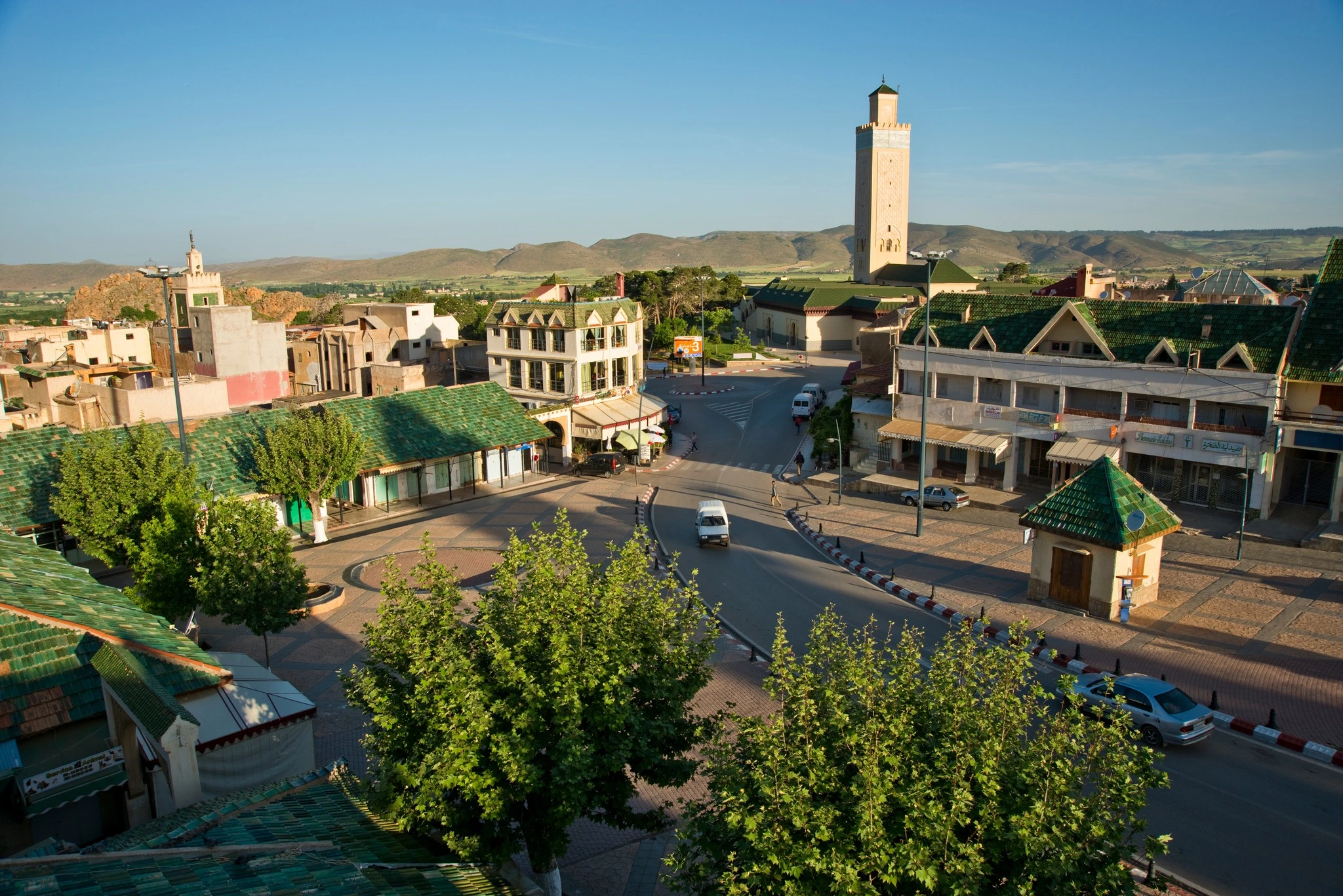
Unlike other, more touristy destinations, Azrou retains a relaxed atmosphere where visitors can observe local life without large crowds
Geography and Climate: Why Visit Azrou in 2026
One of Azrou’s biggest attractions is its natural setting. Located about 1,200 meters above sea level, the city enjoys much cooler temperatures than other regions of Morocco.
A Natural Haven in the Middle Atlas
The landscape around Azrou consists of hills, cedar forests, small lakes, and mountains. This combination creates an ideal setting for those seeking tranquility and a connection with nature.
During the summer, temperatures are pleasant, allowing visitors to enjoy outdoor activities without the extreme heat found in cities like Marrakech.
In winter, the nearby mountains are often covered in snow, offering stunning scenery and a completely different atmosphere.
The Best Times of Year to Travel
Spring
Spring is probably the best time to visit Azrou. The forests turn green, flowers bloom in the valleys, and the temperatures are mild.
It’s the perfect season for hiking, photography, and outdoor activities.
Fall
In the fall, the landscape takes on warm hues, and the weather remains very pleasant.
In addition, there are usually fewer tourists, which makes for a more peaceful experience.
Summer
Summer is particularly popular among Moroccan travelers who want to escape the intense heat of other cities.
Mornings and afternoons are ideal for exploring the forests.
Winter
Although temperatures drop significantly, winter has a special charm. The snow-covered surroundings create unique and very photogenic landscapes.
It’s a good idea to wear warm clothes and check road conditions if you plan to travel during this season.
Exploring the Biodiversity of the Cedar Forest
The cedar forests of the Middle Atlas are one of Morocco’s most important ecosystems. These natural areas are home to unique biodiversity and serve as a vital ecological refuge for numerous species.
Walking among century-old cedars is an unforgettable experience. The silence of the forest, the scent of the wood, and the cool climate create a relaxing atmosphere that is hard to find elsewhere in the country.
The iconic Cedro Gouraud
Among the region’s most famous trees is the Gouraud Cedar, considered a historic symbol of the Middle Atlas.
Although some trees have suffered damage over time, it is still possible to admire giant cedars that are centuries old.
These trees represent much more than just a tourist attraction: they are part of Morocco’s natural and cultural heritage.
To protect them, it’s important to follow a few basic recommendations:
- Stay on marked trails.
- Do not pull off branches or bark.
- Avoid leaving trash behind.
- Respect the tranquility of the forest.
Observing Barbary macaques
One of Azrou’s main attractions is the chance to see Barbary macaques in the wild.
These primates live in groups in the forests and often venture into areas frequented by visitors.
Although they are very interesting and photogenic, it’s important to act responsibly:
- Do not feed them.
- Keep your distance.
- Do not try to touch them.
- Avoid approaching the young.
The best times to see them are usually early in the morning or at sunset.
Many local guides offer sustainable tours that help protect the ecosystem and generate income for nearby communities.
Outdoor Activities and Hiking
Azrou is the perfect destination for active travelers. Its mountainous landscapes offer a wide range of outdoor activities year-round.
Hiking for all skill levels
Cedar Forest Trail
It is one of the most popular and accessible trails. The route passes through wooded areas where you can spot wildlife and enjoy the fresh air.
The difficulty level is low, making it suitable for families and beginners.
Viewpoint Trail
This hike includes some gentle inclines and offers spectacular panoramic views of the Middle Atlas Mountains.
It’s an excellent choice for photography enthusiasts.
Mountain Hikes
More experienced hikers can take long hikes through valleys and mountains.
These trips allow you to discover rural villages and lesser-known landscapes.
Cycling and Family Activities
The mountainous terrain also makes Azrou an ideal place for mountain biking.
Many visitors rent bicycles to explore forest roads and rural trails.
For those traveling with their families, there are more relaxed options:
- Horseback riding.
- Picnics in nature.
- Cultural tours.
- Short walks.
- Birdwatching.
Some nearby areas also allow activities such as camping and fishing, provided that environmental regulations are followed.
Local Crafts: The Soul of Azrou
Craftsmanship is a fundamental part of Azrou’s cultural identity.
Local workshops primarily work with cedar wood, turning it into furniture, decorative boxes, utensils, and traditional objects.
The Tradition of Cedar Carving
Woodcarving is one of the oldest crafts in the region.
Artisans use traditional tools and techniques that have been passed down through generations.
Each piece has slight variations that reflect the handiwork and artisanal craftsmanship.
Buying directly from family-run workshops helps preserve these traditions and supports the local economy.
Traditional Markets and Local Specialties
The markets in Azrou offer a wide variety of products:
- Berber rugs.
- Ceramics.
- Leather goods.
- Spices.
- Cedar crafts.
- Traditional textiles.
Price negotiation is part of Moroccan business culture, although it should always be done respectfully.
Many travelers prefer to shop at local cooperatives to directly support the communities.
In addition to shopping, visiting these markets offers a glimpse into authentic daily life in the Middle Atlas.
Regional Cuisine: Flavors of the Middle Atlas
Azrou’s cuisine reflects the region’s agricultural and cultural richness.
Traditional dishes feature fresh ingredients, aromatic spices, and recipes passed down from generation to generation.
Traditional Dishes You Must Try
Lamb Tagine with Plums
This dish combines sweet and savory flavors through slow cooking, which makes the meat extremely tender.
Berber Couscous
Made with fresh vegetables and traditionally served on Fridays and during family gatherings.
To the point
This famous Moroccan soup is perfect for cool mountain nights.
Skewers and Grilled Meats
At local markets and restaurants, you can try charcoal-grilled meats served with artisanal bread.
Authentic Culinary Experiences
The markets in Azrou are the perfect place to discover local ingredients:
- Bread baked in a wood-fired oven.
- Artisanal olive oil.
- Mountain honey.
- Nuts.
- Traditional cheeses.
Many riads and rural guesthouses offer home-cooked dinners where travelers can discover authentic family recipes.
There are also cooking classes where you can learn to prepare traditional Moroccan dishes.
A Practical Guide to Traveling to Azrou
How to Get There
Azrou is very well connected by road to several major cities.
- From Fez: approximately 1–1.5 hours.
- From Meknes: about 1 hour.
- From Ifrane: about 30 minutes.
Travelers can get there by:
- Intercity buses.
- Shared taxis.
- Private vehicles.
- Rental cars.
Renting a car is the most flexible way to explore the region and stop at scenic overlooks or nearby towns.
Where to Stay
Azrou offers a variety of lodging options to suit different budgets:
- Traditional riads.
- Rural B&Bs.
- Family-friendly hotels.
- Eco-lodges.
- Guesthouses.
For a more authentic experience, many travelers choose accommodations run by local families.
Spring and fall are usually the busiest seasons, so it’s a good idea to make reservations in advance.
Safety Tips and Cultural Etiquette
Azrou is generally a safe destination for international travelers. However, following a few basic recommendations will help ensure a more comfortable and respectful experience.
Cultural Respect
The local culture places a special value on courtesy and modesty.
Some helpful tips:
- Dress respectfully in rural areas.
- Ask for permission before taking pictures of people.
- Learn basic phrases such as “Salam” or “Shukran.”
- Maintain a kind and patient attitude.
Practical Safety
Although the region is peaceful, it’s always a good idea to:
- Keep an eye on your personal belongings.
- Avoid isolated areas at night.
- Bring water on hikes.
- Check the weather before going on long trips.
Because of the altitude, nights can be cold even outside of winter.
Responsible Tourism
The preservation of forests and wildlife depends on visitors’ behavior.
That is why it is important:
- Do not leave any trash behind.
- Stay on the trails.
- Do not feed wild animals.
- Hire responsible guides.
- Support local businesses.
Nearby Excursions and Places of Interest
Ifrane: Morocco’s Little Switzerland
Less than an hour from Azrou lies Ifrane, famous for its European-style architecture and peaceful atmosphere.
The city is known for its well-maintained gardens, clean streets, and cool climate.
Many travelers combine both destinations into a single itinerary.
Ifrane National Park
The national park protects forests, lakes, and mountainous areas of great ecological value.
Here, you can:
- Hiking.
- Birdwatching.
- Picnic.
- Nature photography.
- Camping in authorized areas.
Some routes offer the chance to discover spectacular landscapes and small rural villages in the Middle Atlas.
Azrou offers one of the most authentic and natural experiences in Morocco.
Its cedar forests, Berber culture, and laid-back atmosphere make this destination a perfect alternative to mass tourism.
Whether you’re exploring forest trails, watching Barbary macaques, discovering traditional markets, or enjoying the local cuisine, every moment in Azrou lets you connect with a different side of the country.
Discover Azrou, Morocco, the authentic way
Explore the breathtaking cedar forests of the Middle Atlas, discover Berber culture, and enjoy a unique experience combining nature, hiking, and spectacular scenery. Azrou awaits you with one of the most authentic and peaceful sides of Morocco.
Frequently Asked Questions
Why is Azrou considered an up-and-coming destination for 2026?
Azrou is gaining popularity because it offers an alternative to mass tourism in Morocco. It stands out for its well-preserved natural environment, the cedar forests of the Middle Atlas, and a vibrant local culture. In 2026, many travelers are seeking sustainable and authentic experiences, and Azrou is a perfect fit with activities such as hiking, wildlife viewing, and visits to artisan workshops.
When is the best time to visit the Cedar Forest and see Barbary macaques?
Spring (March–May) and fall (September–November) are the best seasons to visit. The weather is pleasant, and conditions are ideal for hiking and spotting macaques. In winter, there may be snow at higher elevations, which limits access to some trails but offers unique scenery.
How important is the Gouraud Cedar to the region?
The Gouraud cedar is a natural symbol of the Atlas cedar forest. It represents the region’s ecological and historical value. Although some trees have changed over time, they remain an important point of interest for visitors and scientists. It is essential to follow conservation guidelines during your visit.
What is the weather like in Azrou compared to Marrakech or Fez?
Azrou has a cooler climate thanks to its elevation (approx. 1,200 m / 3,950 ft). Summers are mild compared to Marrakech or Fez, and winters can be cold with the possibility of snow. This makes it an ideal destination for escaping the heat.
What type of local handicraft is most representative?
The most notable craft is carving Atlas cedar wood, which is used to make furniture, boxes, and decorative items. You can also find Berber rugs, leather goods, and pottery in local markets. Shopping at family-run workshops or cooperatives helps support the local economy.
Is it necessary to hire a guide for hiking or biking?
Connect with Morocco’s rich Amazigh culture.
Every trip can help preserve ancient traditions and strengthen local communities.
Travel with purpose, support Amazigh culture, and contribute to responsible tourism. Plan your authentic experience today.

