
How to Travel Responsibly in the Atlas Mountains in Morocco
Traveling through Morocco’s Atlas Mountains is an incomparable experience: green valleys, majestic peaks, traditional Berber villages, and a rural culture that has preserved its identity for centuries. But this natural and cultural paradise is delicate, and growing tourism can affect it if not done conscientiously. That’s why learning how to travel responsibly in the Atlas Mountains is key to protecting its biodiversity, respecting its local communities, and ensuring that future travelers can enjoy this unique environment.
In these iconic mountains, home to Jbel Toubkal, life follows a traditional rhythm based on agriculture, herding, and Berber hospitality. When exploring this region, you are not just traveling; you are entering a living cultural space where every gesture matters.
This article will guide you on how to enjoy the Atlas Mountains in an authentic and ethical way, supporting rural communities, preserving the environment, and appreciating the cultural richness that makes this region a jewel of the Moroccan world, as well as aligning yourself with the values of sustainable tourism promoted by UNESCO.
Understanding Berber Culture and the Natural Environment of the Atlas Mountains
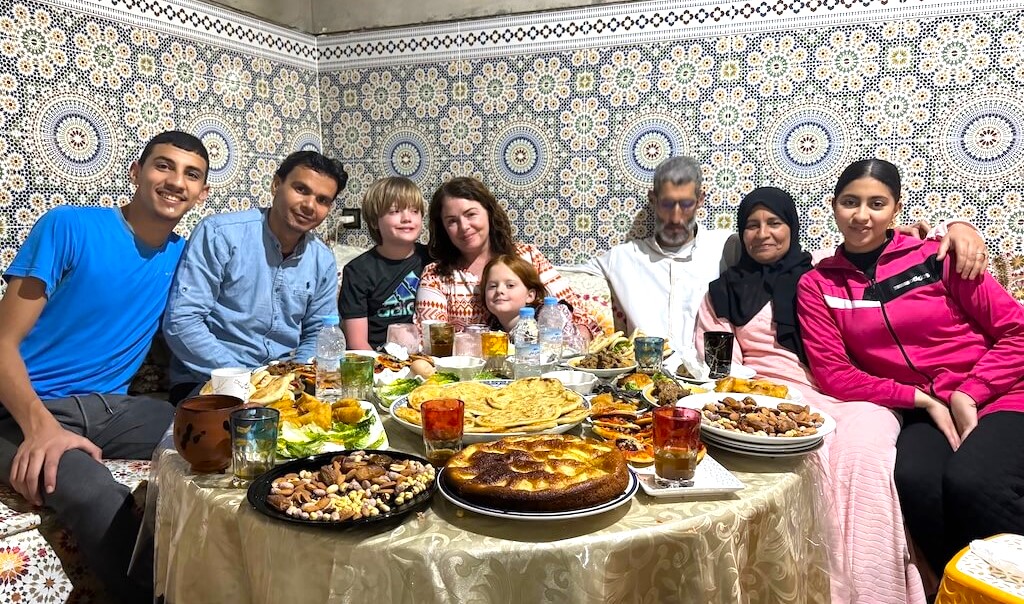
Responsible travel in the Atlas Mountains begins with understanding who lives there and the value of the territory you are exploring. This region is the ancestral home of Amazigh (Berber) communities, whose cultural legacy is fundamental to the history of Morocco and is widely recognized in studies and sources such as. Their lives revolve around agriculture, livestock, crafts, and hospitality, maintaining traditions that have survived for centuries despite modern changes.
The villages of the Atlas Mountains are not settings created for tourism; they are homes where people work, farm, raise animals, and maintain a community system based on cooperation and mutual respect. Understanding this helps travelers to move with sensitivity. Greeting people, showing genuine interest, asking permission to take photographs, and avoiding invasive behavior are small gestures that strengthen cultural coexistence.
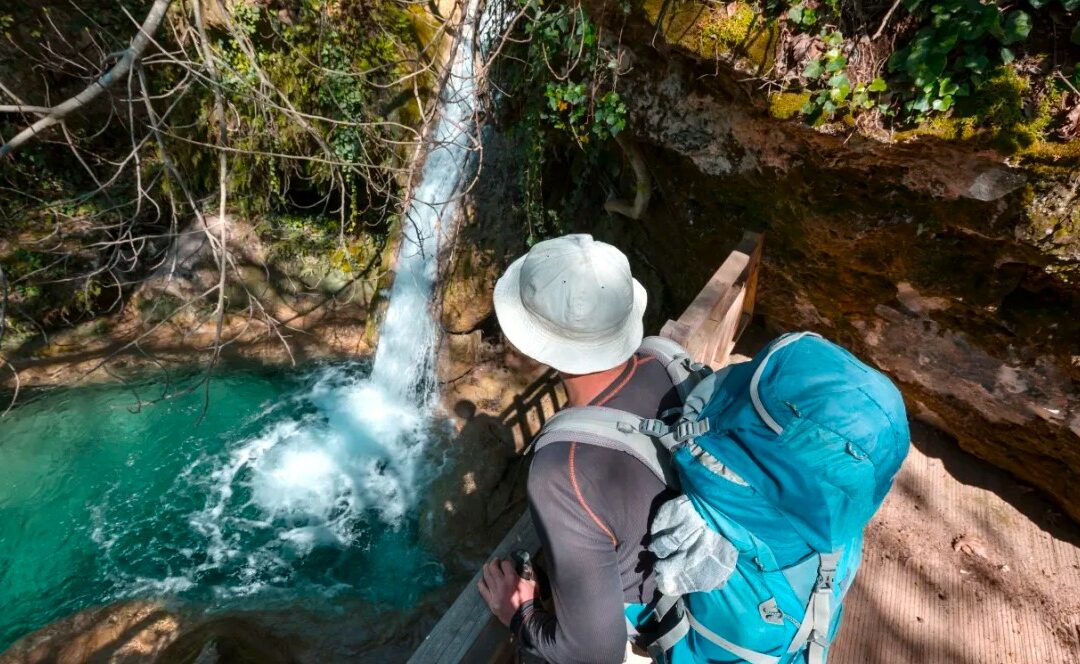
Nature in the Atlas Mountains is equally valuable. Its fertile valleys, forests, and peaks are part of an ecosystem that includes wildlife, water sources essential to villages, and agricultural areas that sustain local families. International organizations such as the IUCN emphasize the importance of protecting mountain areas that are home to unique biodiversity and fragile ecosystems. In the Atlas Mountains, even a small act—such as avoiding littering, staying on marked trails, or not damaging plants—contributes to conservation.
When traveling through this region, you are not only exploring an impressive destination. You are passing through territories where culture and nature are in balance. Maintaining that balance is the responsibility of every visitor who wants to experience the Atlas Mountains in an authentic and sustainable way.
Respect Nature and Practice Low-Impact Tourism
The Atlas Mountains are an oasis of biodiversity, home to unique species, natural springs, agricultural valleys, and forests that sustain both human life and local wildlife. Protecting this environment is not only the responsibility of the communities, but also of every traveler who visits it. The conservation of mountain ecosystems is essential and is supported by international organizations such as the IUCN, which highlights the fragility of high mountain environments and the importance of preserving them in the face of tourist pressure and climate change.
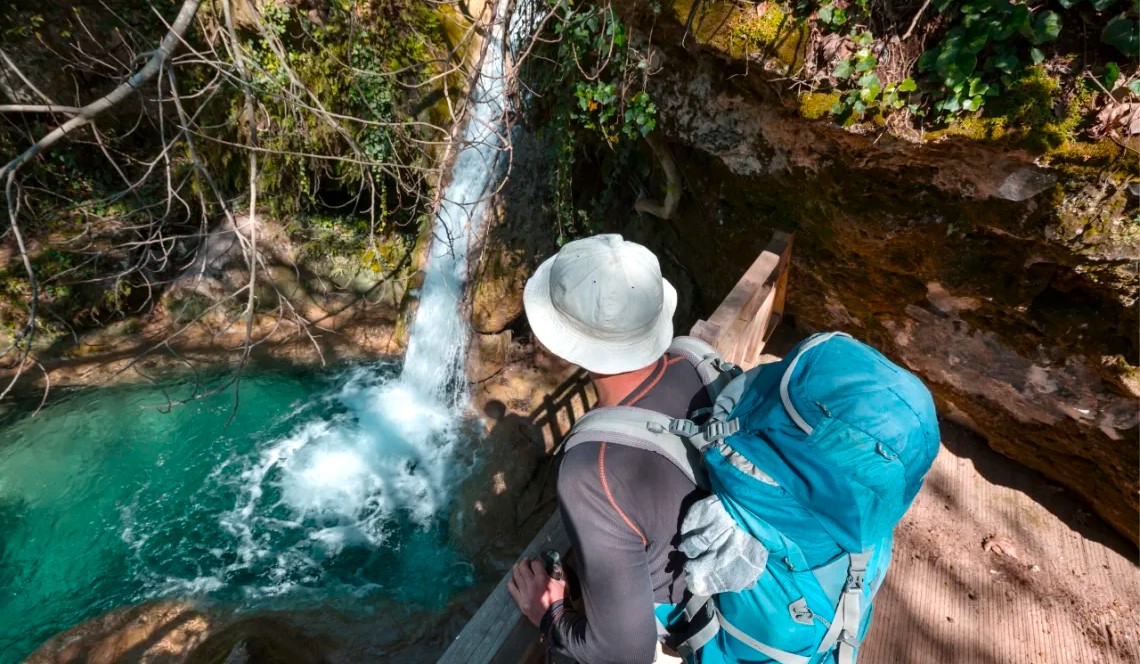
When hiking traditional trails or trekking to iconic locations such as Toubkal, it is essential to stay on marked paths. This prevents soil erosion, protects crops, and respects the areas where animals and shepherds live and work. It is also essential to follow simple practices, such as carrying a reusable bottle, avoiding disposable containers, and picking up any trash, even when there are no trash cans nearby. In rural and mountainous areas, waste management systems are limited, so the principle of “what you bring, you take back” is key to protecting the landscape.
Another important consideration is the responsible use of water, a vital resource in Atlas villages. Rivers, springs, and irrigation ditches sustain crops and livestock, so it is essential to avoid contaminating them and to use them sparingly. It is also recommended to respect the local flora and fauna, avoiding picking plants or disturbing wild animals. These actions help maintain the delicate natural balance that makes the Atlas Mountains such a special environment.
Traveling with environmental awareness does not mean giving up adventure, but rather enhancing it. When we explore nature with respect and care, our experience becomes deeper and more meaningful. The mountains teach us humility, patience, and the importance of protecting the places we admire so that future generations can also enjoy them.
Choose Guides and Operators Committed to Responsible Tourism
One of the most important decisions when visiting the Atlas Mountains is to select guides and tour operators who work ethically. A local guide not only knows the trails, weather conditions, and safety protocols inside out, but also acts as a cultural bridge, facilitating communication with Berber communities and enabling a more authentic and respectful experience.
Many mountain guides in the Atlas Mountains are certified and have received professional training in mountain techniques, first aid, and environmental conservation. These training courses often follow standards recognized by international organizations such as the UIAA – International Climbing and Mountaineering Federation, ensuring that your experience is safe and responsible. In addition, choosing local professionals directly supports the rural economy and helps to curb the migration of young people to cities, thus preserving traditional mountain life.
It is equally important to choose operators that promote sustainable practices, such as treating mules with respect, choosing routes that protect the environment, and implementing clear waste management policies. In iconic locations, such as Toubkal National Park, requesting transparent information, inquiring about fair working conditions, and choosing companies that collaborate with local cooperatives or sustainable development projects are all part of conscious tourism. When we travel with committed professionals, the adventure becomes a profound cultural exchange, where respect, safety, and preservation of the environment go hand in hand with the beauty of the mountains and Amazigh hospitality.
Beneficios del Turismo Responsable en las Montañas del Atlas
Traveling responsibly through the Atlas Mountains generates tangible benefits for travelers, communities, and the natural environment. For those who visit this region, conscious travel allows them to experience Morocco from its most authentic heart. Visitors not only contemplate spectacular landscapes, but also experience intimate moments with Berber families, learn about traditions passed down for centuries, and walk along routes that have been part of local history long before modern tourism. This type of connection leaves much deeper memories than a traditional trip and enriches cultural understanding.
For local communities, responsible tourism means sustainable and dignified opportunities. By choosing local guides, staying in family homes, or buying handmade products made in villages, you help keep the rural economy alive. Many community development projects in mountain areas, inspired by initiatives recognized by organizations such as UNESCO, seek to strengthen local self-sufficiency without sacrificing cultural traditions. When tourism revenues are distributed fairly, families can improve their quality of life, invest in education for their children, and preserve traditional ways of life, preventing rural depopulation.
The environment also benefits. The Atlas Mountains are a fragile region where the natural balance depends on respecting trails, using resources such as water responsibly, and protecting local flora and fauna. By reducing our ecological footprint, we support the conservation of species that inhabit these mountains and help prevent the degradation of landscapes that form part of Morocco’s natural heritage. Sustainable tourism, internationally supported by principles highlighted by entities such as the IUCN, ensures that the beauty of the Atlas remains intact for future generations.
Traveling ethically amplifies the value of the trip. Not only do you enjoy the adventure, but you also become part of the collective effort to protect a unique cultural and natural heritage, creating a positive impact that continues long after the trip is over.
Explore the Atlas with Respect and Awareness
Traveling through the Atlas Mountains is not just an adventure; it is an invitation to discover one of Morocco’s oldest cultures, to walk among villages where time moves slowly, and to live alongside nature in its purest form. Being a responsible traveler here does not mean limiting your experience, but rather elevating it. When you move with respect, you connect more deeply with the people, the landscape, and the stories that bring these mountains to life. Every smile shared, every cup of tea, and every trail trodden with care becomes an act of respect for a territory that has preserved its soul for centuries.
Sustainable tourism is a shared journey. Organizations such as UNESCO and the IUCN emphasize the importance of protecting mountain ecosystems and traditional cultures, and you can be part of that mission simply by traveling with intention. The Atlas will reward you with infinite beauty, sincere hospitality, and memories that capture the essence of authentic Morocco.
If you are dreaming of a profound cultural experience, unforgettable hikes, and a transformative journey through the heart of the mountains, we are ready to help you organize it in an ethical and personalized way. Haz clic aquí para planificar tu viaje responsable por el Atlas
Ready to discover the Atlas in an authentic and mindful way?
Embark on a journey that respects nature, celebrates Berber culture, and supports rural communities. With Morocco Travel Road, every step you take contributes to a more sustainable future.
Plan your responsible trip through the Atlas Mountains today and experience Morocco from its heart.

