
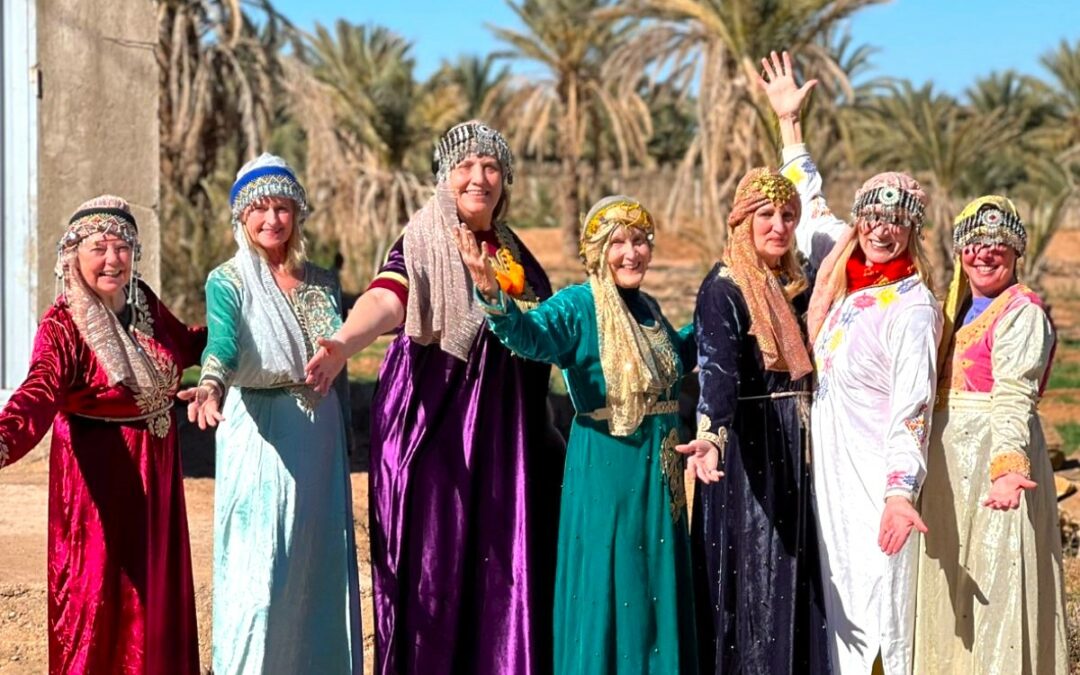
Travel with purpose: preserving Amazigh culture in Morocco
Viajar no solo consiste en descubrir nuevos lugares, sino también en comprender y respetar las culturas que los habitan. En Marruecos, la cultura amazigh, también conocida como bereber, representa una de las raíces más profundas e importantes del país. Desde las montañas del Atlas hasta las arenas del Sahara, las comunidades amazigh mantienen vivas sus tradiciones, su idioma y su relación armónica con la naturaleza.
However, globalization and mass tourism threaten to dilute this cultural wealth. That is why responsible tourism has become an essential tool for protecting Amazigh identity and ensuring that future generations can continue to enjoy their unique heritage.
In this article, you will discover how you can contribute to preserving Amazigh culture in Morocco through more conscious travel decisions, supporting local communities, and valuing their authentic way of life.
Travel with purpose: preserving Amazigh culture in Morocco
Traveling is not only about discovering new places, but also about understanding and respecting the cultures that inhabit them. In Morocco, the Amazigh culture, also known as Berber, represents one of the country’s deepest and most important roots. From the Atlas Mountains to the golden sands of the Sahara Desert, Amazigh communities keep their traditions, language, and harmonious relationship with nature alive.
However, globalization and mass tourism threaten to dilute this cultural richness. That is why responsible tourism has become an essential tool to protect the Amazigh identity and ensure that future generations can continue to enjoy their unique heritage.
In this article, you will discover how you can contribute to preserving Amazigh culture in Morocco through more conscious travel decisions, supporting local communities, and valuing their authentic way of life.
Who are the Amazigh?
The Amazigh, whose name means “free men,” are the indigenous peoples of North Africa. Their history dates back thousands of years before the arrival of the Arabs in the Maghreb. Today, they form an essential part of Moroccan identity and are present in all regions of the country, especially in the Atlas Mountains, the Rif Mountains, and the Sahara Desert.
Their language, Tamazight, was officially recognized in Morocco alongside Arabic. The language is taught in schools and used in public signage, demonstrating the country’s efforts to keep this cultural heritage alive. You can learn more about the Amazigh language and history on the UNESCO website, which promotes its preservation and study.
Amazigh life is deeply connected to nature. Their traditional villages, built with stone, mud, and wood, blend seamlessly into the mountainous landscapes. The architecture reflects the ancestral wisdom of living in balance with the environment.
Amazigh art is also notable for its symbolism. Textiles, tattoos, and jewelry tell stories about family, land, and spirituality. Each design has meaning and conveys a deep connection to the community and the territory.
How tourism affects Amazigh culture
Tourism has transformed many regions of Morocco, especially those inhabited by Amazigh communities. On the one hand, it has generated new economic opportunities, boosting employment and improving infrastructure in rural areas. However, it has also brought challenges that threaten the authenticity of Amazigh culture in Morocco.
En los últimos años, la demanda turística ha hecho que algunas costumbres tradicionales se comercialicen o se adapten al gusto extranjero. En lugares como el Valle del Dades o el Valle del Ourika, muchas familias amazigh dependen del turismo, pero a veces ven cómo sus tradiciones pierden su significado original al convertirse en espectáculos para visitantes.
El impacto medioambiental también es una preocupación creciente. El aumento del turismo en zonas frágiles, como las montañas del Atlas o el desierto, puede alterar los ecosistemas y afectar el modo de vida nómada tradicional. Por eso, es fundamental promover el turismo sostenible y las experiencias que respeten el entorno y las costumbres locales.
Afortunadamente, cada vez más viajeros optan por experiencias auténticas y responsables, interesándose en conocer la verdadera cultura amazigh en Marruecos. Este cambio de mentalidad es clave para conservar la identidad de estas comunidades mientras se fomenta un desarrollo económico justo.
Formas de apoyar la cultura amazigh a través del turismo responsable
Responsible travel not only means reducing environmental impact, but also contributing to the cultural and social well-being of local communities. In the case of the Amazigh culture in Morocco, every action counts toward keeping their traditions alive and strengthening their economy.
One of the best ways to do this is to stay with local families or in riads run by Amazigh people, where hospitality is an essential part of the experience. These stays allow for genuine cultural exchange and provide families with direct income. Platforms such as Responsible Travel promote this type of sustainable accommodation.
También puedes apoyar la artesanía amazigh, comprando productos directamente a los artesanos en los zocos o cooperativas. Los tejidos, cerámicas, alfombras y joyas cuentan historias transmitidas de generación en generación. Elegir piezas auténticas en lugar de imitaciones industriales ayuda a preservar la creatividad y la identidad cultural.
Participar en talleres tradicionales, como la fabricación de aceite de argán o la alfarería, es otra excelente forma de conectar con la cultura amazigh en Marruecos. Además, al contratar guías locales certificados, estás contribuyendo a que las comunidades rurales se beneficien del turismo sin perder el control sobre sus recursos.
Por último, recuerda que el respeto cultural comienza con pequeños gestos. Aprender algunas palabras en tamazight, vestir de manera apropiada y mostrar interés por las costumbres locales demuestra aprecio y sensibilidad hacia la comunidad anfitriona.
A journey that leaves its mark
Preserving Amazigh culture in Morocco is not only the responsibility of local communities, but also of every traveler who crosses their paths. Every conscious choice, from where you stay to how you interact with people, can make a real difference in protecting this ancestral legacy.
Traveling with respect and empathy allows you to discover the true essence of Morocco: a diverse, hospitable country full of living history. The Amazigh are not only guardians of the mountains and the desert, but also of universal values such as freedom, solidarity, and connection with nature.
If you want to enjoy an authentic experience that supports local development and cultural conservation, the Exclusive Circuits team can help you plan your ideal trip. We design sustainable, respectful, and personalized itineraries that will allow you to get up close and personal with the soul of the Amazigh people.
Contact us here and begin your responsible adventure through Morocco, where every step counts toward keeping its cultural heritage alive.Contáctanos aquí y comienza tu aventura responsable por Marruecos, donde cada paso cuenta para mantener viva su herencia cultural.
Connect with Morocco’s rich Amazigh culture.
Every trip can help preserve ancient traditions and strengthen local communities.
Travel with purpose, support Amazigh culture, and contribute to responsible tourism. Plan your authentic experience today.

